





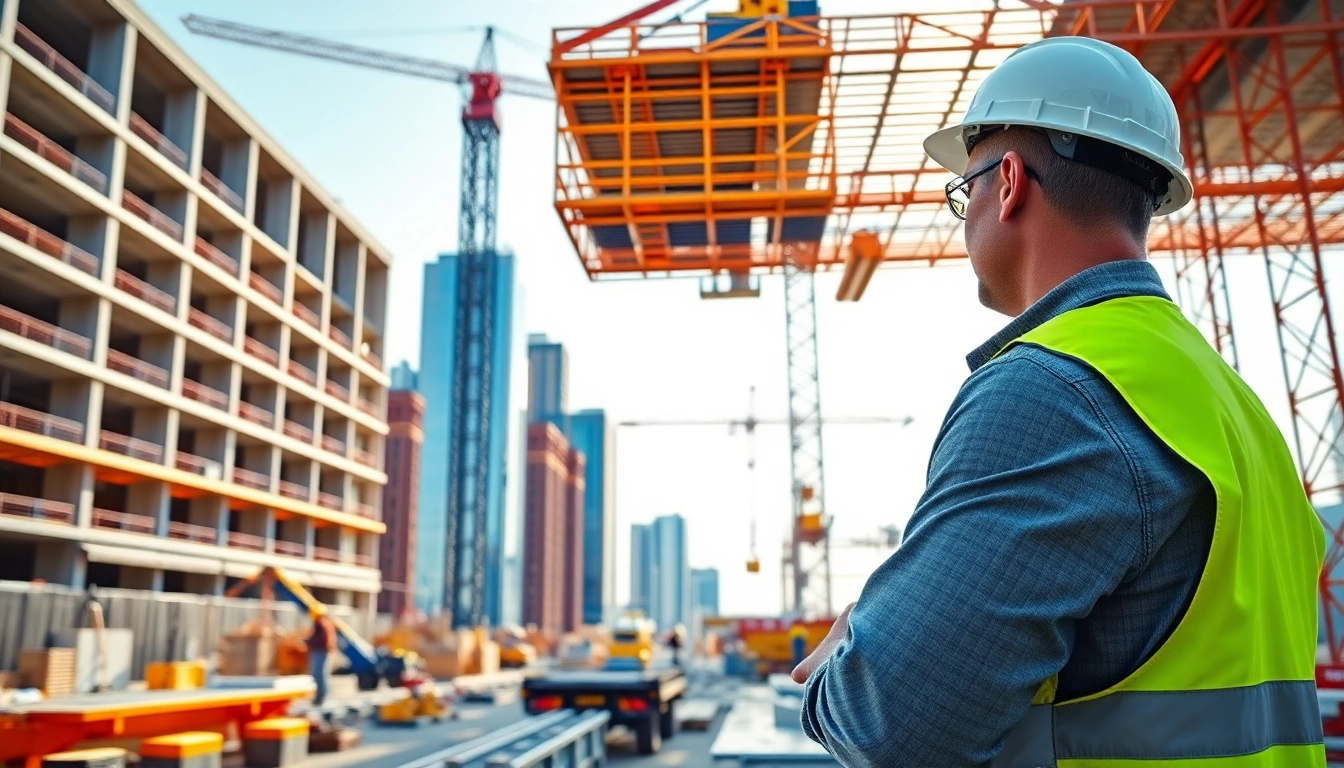
Understanding the Role of a New York Commercial General Contractor
When embarking on a construction project, whether it’s a new building or renovation of an existing space, understanding the pivotal role of a New York Commercial General Contractor is essential. Not only do they oversee various aspects of the construction process, but they also ensure that projects run smoothly and efficiently from inception to completion. Their expertise is invaluable in navigating the complex landscape of commercial construction.
What Does a General Contractor Do?
A general contractor is responsible for the overall coordination of a project, acting as the main point of contact between clients, subcontractors, and suppliers. Their duties include:
- Planning and scheduling project timelines.
- Managing budgets and financial considerations.
- Hiring subcontractors and specialists.
- Monitoring site safety and compliance with building codes.
- Ensuring high-quality standards are maintained throughout the project.
Importance in Construction Projects
General contractors play a crucial role in ensuring that projects are completed on time and within budget. They bring a wealth of experience and knowledge that can help avert potential pitfalls, making them an indispensable partner in any commercial construction endeavor.
Key Qualities to Look For
Choosing the right general contractor can significantly impact the success of your project. Look for qualities such as:
- Experience: A seasoned contractor understands the nuances of commercial construction.
- Communication Skills: Effective communication is vital for smooth collaboration.
- Problem-Solving Abilities: The ability to address issues proactively is essential.
- Reputation: Researching past projects and client testimonials can provide insights.
Benefits of Hiring a New York Commercial General Contractor
Streamlining the Construction Process
One of the primary advantages of hiring a New York Commercial General Contractor is the ability to streamline the construction process. Their thorough understanding of project management principles ensures that each phase of construction is executed efficiently, reducing delays and confusion.
Cost Efficiency and Budget Management
General contractors have the expertise to manage budgets effectively. By leveraging relationships with suppliers and subcontractors, they can often secure more competitive pricing, which contributes to overall project savings. Their meticulous financial oversight helps avoid unexpected costs and ensures that funds are allocated wisely.
Access to Skilled Labor and Resources
A general contractor has access to a network of skilled laborers and specialists who may be required for various aspects of a construction project. This access can expedite hiring processes and ensure that only the most qualified individuals are working on your project, leading to enhanced overall quality of workmanship.
Finding the Right New York Commercial General Contractor
Researching Potential Candidates
When looking for a suitable contractor, start by conducting thorough research. Utilize online resources, ask for recommendations from trusted sources, and check industry associations. Create a shortlist of promising candidates based on their qualifications and past work.
Questions to Ask During Consultation
Engaging in consultations with potential contractors is crucial for making an informed decision. Ask pertinent questions such as:
- What is your experience with similar projects?
- How do you handle project delays or budget overruns?
- What safety measures do you have in place?
- Can you provide references from past clients?
Evaluating Past Projects and Client Reviews
Reviewing a contractor’s portfolio and client feedback can offer significant insights into their capabilities. Look for case studies or project examples that align with your needs, and take note of any recurring themes in client reviews, including communication, reliability, and quality of work.
Common Challenges in Commercial Construction
Addressing Delays and Budget Overruns
Delays and budget overruns are common challenges in commercial construction. Effective planning and adaptability are crucial. Having a skilled contractor can mitigate these issues by anticipating potential problems and implementing strategic solutions.
Managing Communication Among Teams
Successful communication is vital in coordinating various teams, from architects to subcontractors. A competent contractor will establish clear communication pathways and tools, ensuring that everyone is aligned and informed throughout the project.
Navigating Regulatory Requirements and Permits
Commercial construction often involves navigating a complex web of regulations and permits. A knowledgeable general contractor will be adept at managing these requirements, ensuring that all necessary paperwork is filed and that the project complies with local laws.
Measuring Success with Your New York Commercial General Contractor
Tracking Project Progress and Milestones
Establishing metrics to track project progress is essential for measuring success. Set clear milestones and deadlines, and use project management software to monitor progress regularly. This practice enables timely adjustments and keeps the project on track.
Feedback Mechanisms for Continuous Improvement
Establishing a feedback loop with your contractor can drive continuous improvement. Regular check-ins and surveys can provide valuable insights into performance, allowing for adjustments that enhance collaboration and overall project efficacy.
Case Studies of Successful Projects
Reviewing case studies of completed projects can illustrate how effective contractors tackle challenges and achieve impressive results. Analyzing these examples can provide insights into best practices and inspire confidence in your chosen contractor.
FAQs
1. What is the primary job of a commercial general contractor?
The primary job of a commercial general contractor is overseeing construction projects, coordinating subcontractors, managing budgets, and ensuring projects meet required standards.
2. How do I determine if a contractor is right for my project?
To determine if a contractor is right for your project, evaluate their experience, ask for references, and ensure they have a good track record with similar projects.
3. What should I prepare before meeting with a contractor?
Before meeting with a contractor, prepare a detailed project outline, budget considerations, timelines, and any specific requirements or preferences you have.
4. How can I avoid budget overruns during my project?
To avoid budget overruns, establish a clear budget upfront, monitor expenses closely, and ensure regular communication with your contractor throughout the project.
5. What are the typical timelines for commercial construction projects?
Timelines for commercial construction projects vary significantly based on project scope, size, and complexity, but a thorough contractor can provide a realistic estimate during consultation.




More Stories
Top Strategies for Choosing the Right Moving Company Canada for Your Move
魅力的なSNSマーケティング戦略でアカウントを成長させる方法
ソーシャルメディアの効果的活用法とフォロワーを増やす戦略