



Introduction to Water Lilies
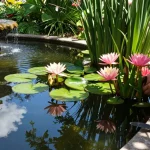
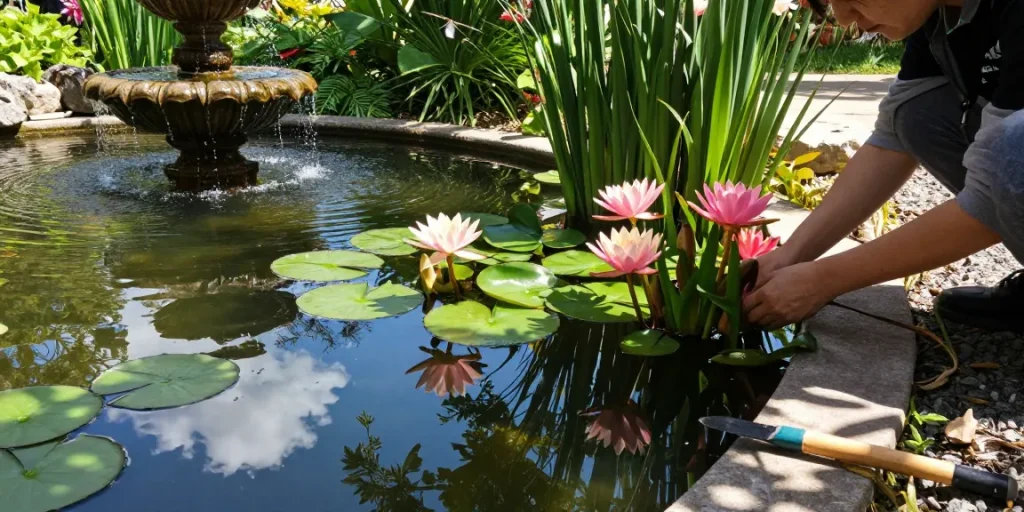
Water lilies, with their stunning blooms and serene presence, are often considered the crown jewels of aquatic gardens. These aquatic plants not only enhance the beauty of ponds but also create a tranquil atmosphere that draws nature enthusiasts and garden lovers alike. Known for their broad, flat leaves and picturesque flowers that float elegantly on the water’s surface, water lilies are more than just ornamental; they play a crucial role in maintaining the health and balance of aquatic ecosystems. When exploring options, Water Lilies provide comprehensive insights for those looking to enrich their pond experience.
What Are Water Lilies?
Water lilies belong to the Nymphaeaceae family, consisting of about 60 species of freshwater flowering plants. They thrive in still waters, such as ponds and lakes, and are characterized by their round leaves and vibrant flowers that can vary in color from white and yellow to pink and blue. Each water lily species has unique features and growth habits, influencing how they can be used in aquatic gardening.
Benefits of Incorporating Water Lilies in Your Pond
- Natural Filtration: Water lilies help improve water clarity by absorbing nutrients and providing shade, which reduces algae growth.
- Aesthetic Value: Their beautiful flowers and lush foliage enhance the visual appeal of any pond, creating a peaceful retreat.
- Habitat Creation: Water lilies provide a habitat for aquatic wildlife, including fish, frogs, and beneficial insects.
- Temperature Regulation: They help maintain stable water temperatures, providing a suitable environment for fish and other aquatic life.
Essential Care for Water Lilies
Understanding Water Lily Growth Conditions
Water lilies require specific conditions to thrive, including full sun exposure (at least 6 hours a day), still water, and warm temperatures. Ideal water temperatures range between 70°F and 85°F (21°C to 29°C). Additionally, water depth should be appropriate for the variety; some lilies prefer shallow water, while others can thrive in deeper settings. Regular monitoring of water quality also plays a vital role in the overall health of your water lilies.
Common Pests and Diseases Affecting Water Lilies
While water lilies are relatively resilient, they can still be affected by pests such as aphids, spider mites, and various types of fungi. Regular inspection and maintenance can help prevent infestations. Introducing beneficial insects like ladybugs can also mitigate pest issues naturally. Ensuring good water quality and avoiding overcrowding of plants will also reduce susceptibility to diseases.
Best Practices for Water Lily Maintenance
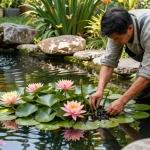
- Regular Pruning: Remove dead or yellowing leaves and spent flowers to promote healthy growth.
- Fertilization: Use aquatic plant fertilizers in early spring to encourage blooming and growth.
- Winter Care: In colder climates, consider bringing potted water lilies indoors or setting them in the deepest part of the pond to survive winter.
Enhancing Your Pond with Water Lilies
Landscape Design Ideas Featuring Water Lilies
Water lilies can be used creatively in landscape design to enhance the overall aesthetic of your pond. Incorporating rocks, gravel, and other aquatic plants around your water lilies can create a naturalistic environment. Consider using different varieties to introduce a palette of colors that bloom at different times, ensuring continuous visual interest throughout the season.
Creating a Balanced Ecosystem in Your Pond
Integrating water lilies into your pond supports ecological balance. They provide shelter and breeding grounds for fish and amphibians while improving water quality. To establish a balanced ecosystem, consider adding complementary plants around the perimeter, such as cattails or irises, to support various wildlife. Regularly testing and maintaining water quality ensures all inhabitants thrive.
Combining Water Lilies with Other Aquatic Plants
Mixing water lilies with other aquatic plants can diversify your pond’s ecosystem. Species such as lotus, marsh marigold, and submerged oxygenators can coexist with water lilies, each contributing uniquely to the habitat. This diversity helps create a more resilient ecosystem, enhances aesthetic appeal, and improves water quality.
Water Lilies and Wildlife
Attracting Pollinators and Beneficial Insects
Water lilies are not just visually appealing; they attract pollinators such as bees and butterflies. The flowers serve as important food sources for these insects, supporting overall biodiversity in your garden. Planting water lilies along with flowering marginals can create a vibrant habitat that nourishes numerous species.
The Role of Water Lilies in Supporting Aquatic Life
By providing shade and shelter, water lilies create a conducive environment for various aquatic species. Fish, in particular, benefit from the shelter of lily pads, which offer protection from predators. Maintaining a healthy population of water lilies ensures that these aquatic environments remain vibrant and thriving.
Conservation and Habitat Improvement with Water Lilies
Water lilies play a critical role in habitat conservation efforts. They can be utilized in restoration projects to improve water bodies impacted by pollution or invasive species. By reintroducing native water lily species into degraded ponds or lakes, conservationists can restore ecosystems and enhance ecological diversity.
Future Trends in Aquatic Gardening
The Rise of Eco-Friendly Water Gardening
As environmental awareness increases, more gardeners are opting for eco-friendly practices in their aquatic gardens. This trend includes selecting native water lily varieties that require less maintenance and are better suited to local ecosystems. Additionally, sustainable gardening practices, like natural pest control and organic fertilizers, are gaining popularity.
Innovative Practices to Cultivate Water Lilies
Innovation in aquatic gardening is leading to new techniques for cultivating water lilies. Hydroponic systems, for example, are becoming popular as they enable growers to control nutrient levels and optimize conditions for water lily growth. Techniques such as modular pond designs allow for flexibility in planting and aesthetics.
Emerging Trends for 2026 and Beyond in Pond Design
Pond design is evolving, with a notable shift toward creating larger, more interconnected water features. These designs not only enhance the beauty of landscapes but also promote biodiversity. Water lilies are expected to remain central to these designs, providing both beauty and ecological benefits in the years to come.
What are the best water lily varieties for beginners?
For beginners, some of the best water lily varieties include ‘Panama Red’, ‘Perry’s Baby Red’, and ‘Yellow Frog Bit’. These species are hardy, easy to manage, and provide vibrant flowers throughout the growing season.
How can I prevent pests from damaging my water lilies?
Preventing pests involves regular monitoring of your pond plants, introducing beneficial insects, and maintaining water quality. Additionally, using organic insecticides can help deter pests without harming the ecosystem.
What conditions do water lilies need to thrive?
Water lilies flourish in full sun, still water, and warm temperatures, typically between 70°F and 85°F. They also thrive in a nutrient-rich environment, so ensuring proper fertilization is key to their success.
Can water lilies survive winter in colder climates?
Yes, many hardy water lily varieties can survive winter in colder climates when planted correctly. They should be placed in deeper parts of the pond where temperatures remain stable and above freezing.
How do water lilies benefit pond ecosystems?
Water lilies benefit pond ecosystems by providing shade, improving water clarity, and serving as a habitat for aquatic life. Their root systems also help stabilize sediments, preventing erosion and promoting a healthier aquatic environment.



More Stories
5 Essential Buy Water Lilies Lessons from Gardening Experts
Reliable Bathroom Renovation Contractors Near Me for Your Home
Proven Roof Waterproofing Solutions for Your Home in 2026