


Understanding Roof Waterproofing
Roof waterproofing is a critical aspect of building maintenance that ensures the longevity and structural integrity of any property. In regions like Hong Kong, where heavy rainfall and typhoon conditions are common, effective waterproofing solutions are not just beneficial but essential. Homeowners and commercial property managers must understand various waterproofing methods and materials to make informed decisions. When exploring options, roof waterproofing services help protect against water intrusion, mold growth, and expensive repairs.
What is Roof Waterproofing?
Roof waterproofing involves applying certain materials and techniques to prevent water from penetrating the roofing system. This process is vital in protecting the underlying structure from water damage, which can lead to extensive issues such as rot, mold, and compromised structural integrity. Waterproofing can be applied to various roofing types, including flat, pitched, and asphalt roofs. The right method depends on the specific requirements of the roof and the environmental conditions it faces.
Importance of Waterproofing Solutions
There are numerous reasons why waterproofing is crucial for both residential and commercial properties. Key benefits include:
- Prevention of Water Damage: Protects the roof and building materials from degradation.
- Mold Prevention: Reduces the risk of mold and mildew growth, contributing to healthier living conditions.
- Increased Longevity: Proper waterproofing extends the lifespan of the roof.
- Cost Savings: Prevents costly repairs associated with water damage.
Common Methods of Roof Waterproofing
Several methods exist for waterproofing roofs, each with its own unique benefits:
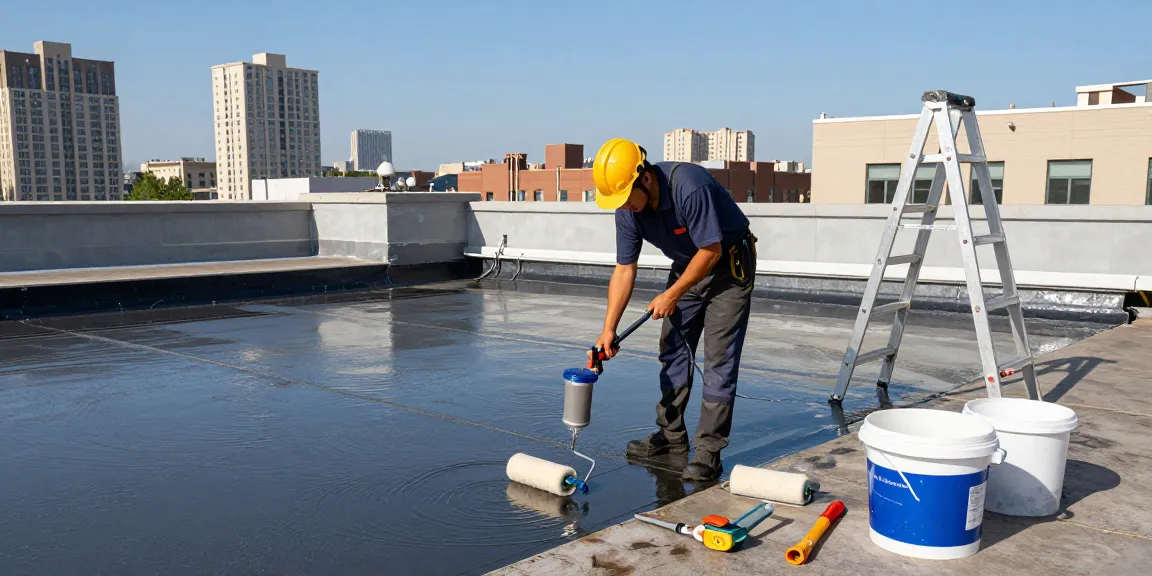
- Liquid Membrane: This is a versatile option suitable for flat roofs and involves applying a liquid coating that cures to form a seamless membrane.
- Bituminous Coatings: These asphalt-based coatings are ideal for flat roofs, providing excellent protection against water and UV rays.
- Sheet Membranes: Available in various materials, these are typically installed by overlapping sections to create a waterproof barrier.
- Spray-on Coatings: Excellent for hard-to-reach areas, these coatings create a flexible and durable surface once applied.
Factors Influencing Roof Waterproofing Costs
Understanding the costs associated with roof waterproofing is essential for budgeting purposes. Various factors can influence the final price of waterproofing services.
Average Cost for Various Roofing Types
The average cost for waterproofing can vary significantly based on the type of roof being treated. For instance:
- Flat Roofs: Typically range from $2 to $6 per square foot depending on the materials used.
- Pitched Roofs: Costs can be higher, ranging from $3 to $7 per square foot due to the complexity of the installation.
- Asphalt Shingle Roofs: Generally cost between $2.50 and $5 per square foot.
Cost Factors: Materials and Labor
Several elements contribute to the overall cost of roof waterproofing, including:
- Material Quality: Higher quality materials typically increase the cost but offer better longevity and effectiveness.
- Labor Rates: The expertise and reputation of the contractor can influence labor costs.
- Roof Condition: If substantial repairs are required before waterproofing, this will add to the overall expenses.
Understanding Regional Pricing Variations
Pricing for waterproofing services can vary significantly based on location. In Hong Kong, where heavy rains are prevalent, the demand for waterproofing can drive prices higher compared to less rain-prone areas. It is advisable to get quotes from multiple contractors to ensure competitive pricing.
Choosing the Right Waterproofing Service
Selecting the right waterproofing service involves careful evaluation of various factors to ensure quality and effectiveness. Here are key considerations.
Evaluating Professional Contractors
When searching for roofing professionals, consider their experience, specialization in waterproofing, and local reputation. A contractor with a solid portfolio and positive client feedback is often a reliable choice.
Key Questions to Ask Before Hiring
Before hiring a waterproofing contractor, ask the following questions:
- What methods and materials do you recommend for my roof type?
- Do you provide warranties on your work?
- Can you provide references from previous clients?
Checking Reviews and Testimonials
Online reviews and testimonials can provide valuable insight into a contractor’s reliability and quality of service. Look for reviews that specifically mention waterproofing services to ensure relevance.
DIY vs. Professional Roof Waterproofing
Some homeowners may consider taking a DIY approach to roof waterproofing. While this can save money, there are critical points to consider before proceeding.
Pros and Cons of DIY Waterproofing
Here are some advantages and disadvantages of a DIY approach:
- Pros: Lower cost, flexible timing, and personal control over the project.
- Cons: Risk of improper application, lack of warranty, and possible damage to the roof if not done correctly.
Step-by-Step DIY Waterproofing Guide
If you’re opting for DIY, follow these steps for a successful application:
- Clean the roof thoroughly to ensure good adhesion.
- Repair any existing damage, such as cracks or broken shingles.
- Choose a high-quality waterproofing product compatible with your roof type.
- Apply the product evenly, following the manufacturer’s instructions closely.
- Allow adequate curing time before exposing the roof to water.
When to Hire a Professional
While DIY can be tempting, hiring a professional is advisable when:
- There are significant repairs needed prior to waterproofing.
- The roof is steep or difficult to access.
- You require a warranty for peace of mind.
Future Trends in Roof Waterproofing
The roofing industry is continually evolving, with innovations in waterproofing technologies and materials. Understanding these trends can help homeowners make informed decisions.
Innovative Waterproofing Technologies
Emerging technologies in waterproofing include smart coatings that can adapt to environmental conditions and self-healing materials that repair minor damage autonomously. These advancements could revolutionize roof maintenance.
Sustainable and Eco-friendly Waterproofing Options
As sustainability becomes a priority, more eco-friendly waterproofing materials are entering the market. These products often use recycled materials or are designed to minimize environmental impact, appealing to environmentally conscious consumers.
Predictions for the Roof Waterproofing Market in 2026
Looking ahead, the roof waterproofing market is expected to grow significantly due to increasing awareness of the importance of building maintenance, especially in areas prone to severe weather. Demand for innovative, effective solutions is likely to rise, along with advancements in materials and application methods.
What is the best waterproofing for a roof?
Choosing the best waterproofing solution hinges on various factors, including roof type, climate, and specific needs. Popular options include bituminous membranes for flat roofs and elastomeric coatings for flexibility and durability.
How do you waterproof your roof effectively?
Effective roof waterproofing involves thorough preparation, quality materials, and proper application techniques. Consulting with professionals can enhance the effectiveness of the waterproofing solution.
What are the common signs of a leaky roof?
Look for water stains on ceilings, mold growth, and peeling paint or siding, which are indicative of potential leaks. Regular inspections can help catch these issues early.
How long does roof waterproofing last?
The longevity of waterproofing solutions can vary; however, properly applied waterproofing can last anywhere from 5 to 20 years depending on the materials used and the environmental conditions.
Can I waterproof my roof myself?
While DIY waterproofing is possible, it requires knowledge of proper materials and techniques. For complicated roofs or extensive damage, hiring a professional is advisable.


More Stories
5 Essential Buy Water Lilies Lessons from Gardening Experts
Reliable Bathroom Renovation Contractors Near Me for Your Home
Transform Your Space with a Cape Cod Home Addition