





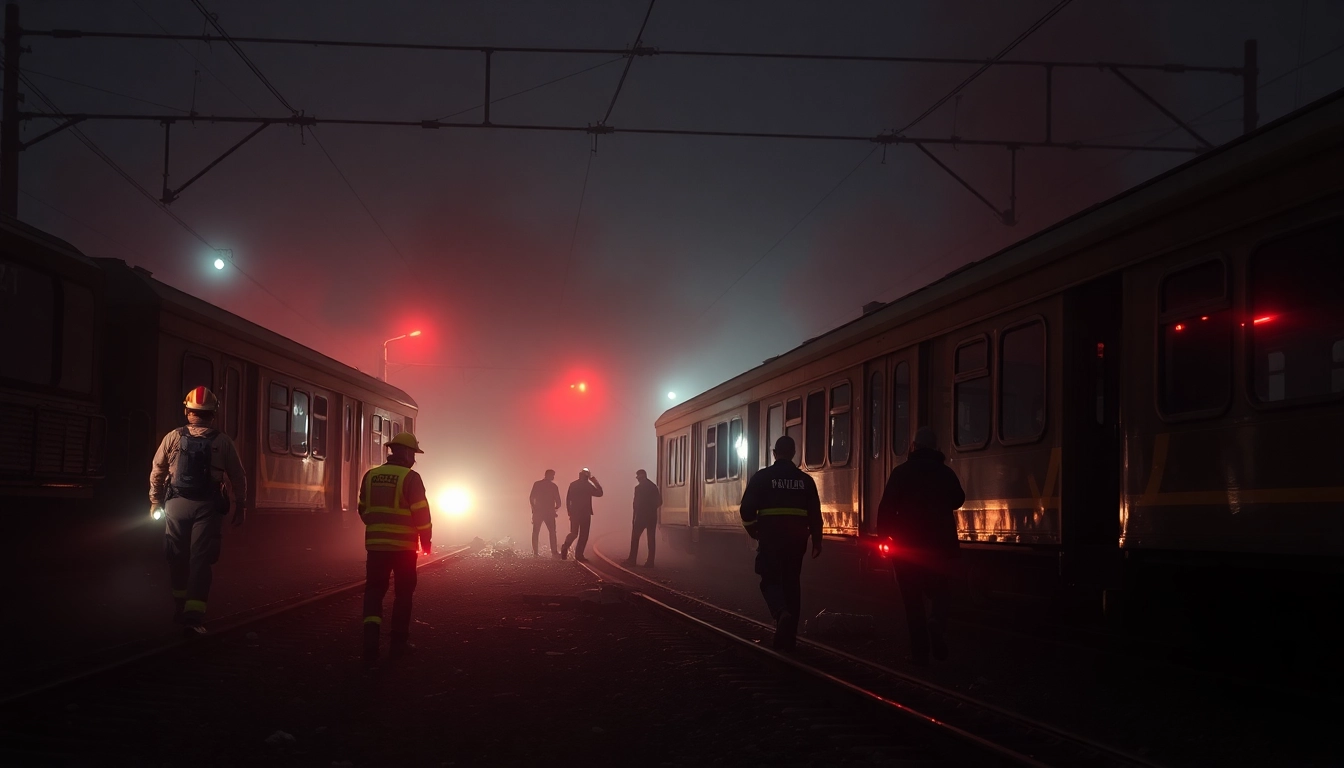
Overview of the spain train crash
The spain train crash is one of the most significant incidents in the history of rail transport, drawing attention due to its devastating impact and the critical lessons learned in its aftermath. This tragic event not only altered the lives of many individuals but also set the stage for profound changes within the railway industry. Various factors, including technical failures, human error, and environmental conditions, contributed to this tragedy, and understanding these elements is essential for preventing similar occurrences in the future.
Background of the incident
The spain train crash occurred under chaotic circumstances, compelling a thorough investigation into its antecedents. On the day of the incident, multiple trains were operating in high-density areas, leading to a crowded rail environment. The speed of the involved train greatly exceeded safety recommendations just prior to the crash, particularly in a section notorious for sharp curves. As news unfolded, the world learned of the serious implications of this accident that would grow beyond immediate tragedy into long-lasting impacts on policies and regulations.
Initial reports and eyewitness accounts
Initial reports from the scene depicted panic and confusion as bystanders attempted to assist upon realizing the severity of the accident. Eyewitness accounts painted a vivid picture of the chaos; some described the heart-stopping sound of metal grinding against metal, while others recounted their desperate attempts to rescue those trapped within the wreckage. Such disturbing images and the altruism displayed by ordinary citizens would later fuel discussions around safety and emergency response protocols.
Significance of the spain train crash
The significance of the spain train crash extends far beyond immediate loss of life. It served as a wake-up call to stakeholders regarding the vital need for upgraded safety measures across rail systems. This catastrophic event exposed systemic weaknesses and highlighted the importance of stringent oversight. It sparked debates on how to better integrate technology, training, and infrastructure to mitigate risks in future rail operations.
Causes of the spain train crash
Unpacking the causes of the spain train crash reveals a complex interplay between human and systemic failures that exacerbated a potentially preventable situation. Understanding these causes is pivotal for implementing effective safety measures moving forward.
Technical failures and equipment errors
Contributing to the spain train crash were significant technical failures, including equipment malfunctions that hindered the operator’s ability to execute necessary safety protocols. Investigations revealed deficiencies in the train’s braking system and the failure of certain alerts meant to signify increased risk levels. Such technical shortcomings, coupled with outdated software systems, not only complicated decision-making processes for the crew but also escalated the severity of the incident.
Human factors contributing to the incident
Human error is often cited as a critical contributor in transportation accidents, and the events leading to the spain train crash were no exception. Contributing factors included inadequate training for crew members in operating under high-pressure scenarios and a lack of effective communication protocols. Stress and fatigue from prolonged shifts led to lapses in judgment, further complicating the already precarious situation and resulting in catastrophic consequences.
Environmental influences on train operations
Environmental factors played a pivotal role in exacerbating the incident. The weather conditions on the day of the crash were variable, with certain areas experiencing heavy rains that affected visibility and track conditions. Additionally, the geographical terrain of the crash site presented unique challenges, including sudden curves and steep inclines. These factors contributed to a precarious environment that rendered standard operating procedures insufficient in ensuring safety.
Impact on victims and families
The ramifications of the spain train crash were unmistakably profound, affecting not only the direct victims but also their families and communities. Immediate and long-term consequences provide insight into the broader impacts of such tragedies.
Short-term effects experienced by survivors
Survivors of the spain train crash faced numerous short-term effects, ranging from physical injuries to emotional distress. Many experienced shock and trauma, while others dealt with the aftermath of serious physical injuries needing urgent medical care. The chaos following the accident, and the struggle for survival had a lasting imprint on their mental health, leading to feelings of survivor’s guilt and anxiety about travel safety.
Long-term psychological impacts
Long-term psychological impacts are often overlooked yet profoundly significant. Many survivors faced ongoing mental health challenges, such as post-traumatic stress disorder (PTSD), depression, and anxiety. The struggle to cope with the memories of that fateful day altered individuals’ lives, affecting personal relationships and daily functioning. Support systems were crucial for helping these individuals navigate their complex feelings and seek professional help when necessary.
Support systems for families affected
Families of victims required extensive support to navigate the painful aftermath of the spain train crash. Numerous organizations came forward, providing emotional, financial, and legal assistance to those affected. Community support systems played a crucial role in helping families process their grief, offering dedicated resources for counseling and therapy. Such initiatives highlighted the collective resilience of communities in the face of tragedy and the importance of comprehensive support networks.
Government and regulatory response
The government and regulatory responses following the spain train crash demonstrate both immediate action and long-term commitment to improving rail safety. These responses reveal the complexity of policy-making in reaction to tragic events.
Investigation protocols following the spain train crash
Following the spain train crash, thorough investigations took precedence. Authorities established clear protocols for assessing the infrastructure, crew performance, and equipment condition. Multiple agencies collaborated to ensure a comprehensive review of the incident, determining accountability and identifying key areas for reform. The findings from these investigations formed the basis for regulatory changes aimed at addressing the critical issues uncovered.
Changes in safety regulations and procedures
In the crash’s aftermath, regulators enacted several changes to safety regulations. New standards aimed at improving equipment reliability and mandatory advanced training for operators in emergency scenarios were implemented. Enhanced monitoring systems are now required to facilitate timely assessments of rail safety and operational integrity. These changes testify to a renewed commitment to safety within the rail industry, seeking to avoid a similar tragedy in the future.
Public response to government actions
The public response to government actions post-crash was mixed. While many applauded the rapid reforms, others felt measures were not sufficient or lacked transparency. Public forums and discussions emerged as platforms for citizens to voice their concerns and contribute to ongoing safety dialogues. The incident ignited a broader conversation about accountability and the need for continual vigilance in ensuring transportation safety.
Lessons learned from the spain train crash
Many critical lessons emerged from the spain train crash, emphasizing the vital importance of safety practices. The implications and their application can influence future procedures and protocols actively.
Importance of improved safety measures
The spain train crash underscored the importance of prioritizing safety measures over convenience or cost-saving protocols. Lessons learned from this tragedy demonstrate that proactive safety strategies, rather than reactive responses, must be the standard. Investment in comprehensive safety training and revision of emergency procedures are now viewed as essential in fostering a culture of safety within the railway system.
Technological advancements in rail safety
With the lessons learned from the spain train crash, technological advancements have become paramount in driving safety improvements in rail transport. Innovations such as real-time data monitoring systems, predictive analytics for maintenance scheduling, and automation of critical operations contribute to minimizing human error. These technologies are essential in ensuring quicker responses to emergencies and decreasing the risks associated with rail travel.
Community initiatives for train safety awareness
The spain train crash catalyzed numerous community initiatives aimed at fostering awareness around train safety. Community-driven campaigns began to emphasize collective responsibility in safeguarding the rail environment. Partnerships between local authorities and rail companies emerged to create educational programs that promote safe practices, encouraging community members to be actively engaged in observing and reporting potential hazards.
Frequently Asked Questions
What caused the spain train crash?
The spain train crash was attributed to a combination of technical failures, human error, and environmental factors, including high speeds and adverse weather conditions.
What immediate impacts were felt by survivors?
Survivors experienced physical injuries, emotional trauma, and severe psychological distress, drastically altering their lives after the crash.
How did the government respond to the incident?
The government responded by initiating thorough investigations, enacting new safety regulations, and improving training protocols for operators.
What long-term support is available for victims’ families?
Victims’ families received various forms of support, including emotional counseling, financial assistance, and community resources to assist in processing their grief.
What can be done to improve rail safety in the future?
Improving rail safety requires investing in updated technologies, enhanced training protocols, and fostering public awareness regarding train operation standards.




More Stories
Choosing the Right Industrial Centrifuge for Your Process Needs
Professional Oil Commodity Trading Access Platform
NOW Stock Price Analysis: Latest Trends, Forecast & Market Insights