


What is Derailment?
Definition of Derailment
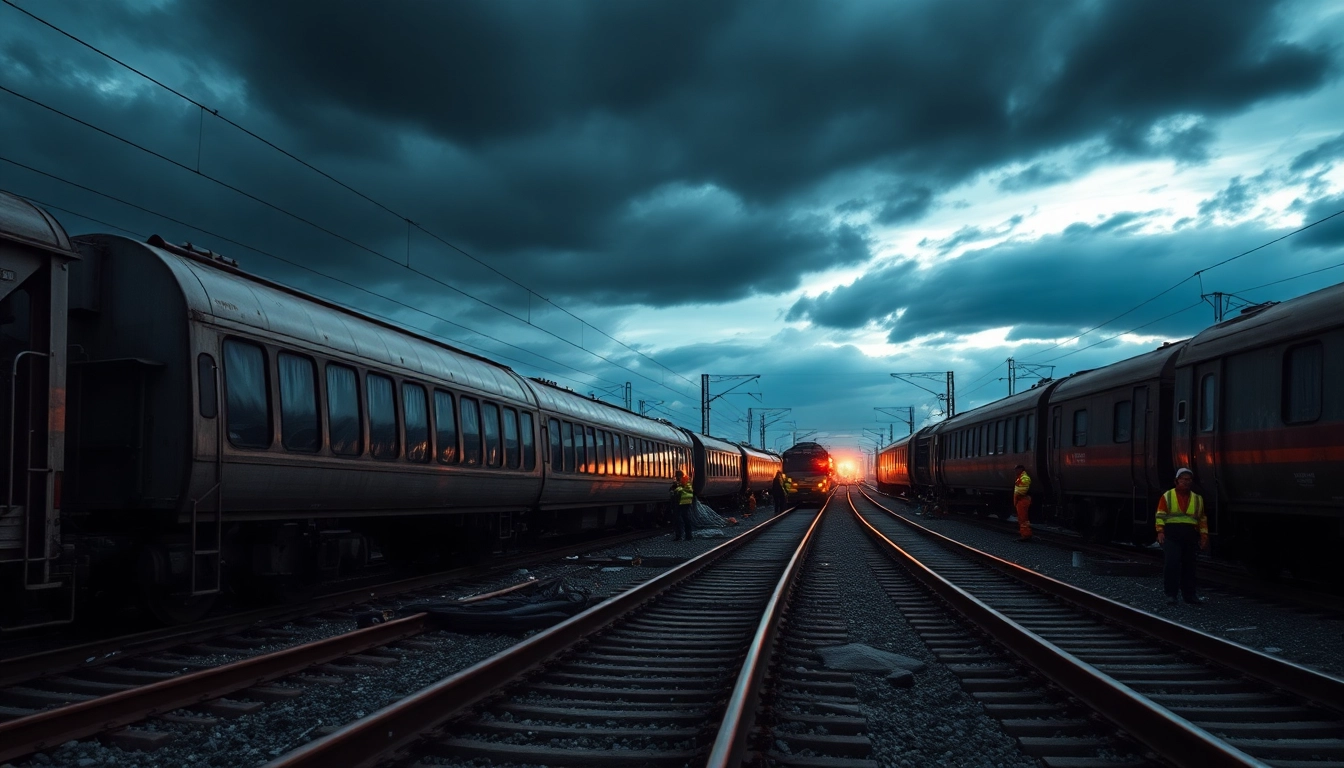
In the field of rail transport, a Derailment is defined as an incident where a moving rail vehicle, such as a train, comes off its rails. While many occurrences of derailment are minor, all result in a temporary disruption of the normal operations of the rail service. Such incidents can be severe and can lead to significant consequences, including damage to the rolling stock, injuries to crew or passengers, and environmental hazards. Understanding derailment is crucial for enhancing rail safety and reliability.
Types of Derailments
Derailments can be classified into several categories, primarily based on their causes and severity:
- Track-related Derailment: Often involves failures in rail infrastructure, including track misalignment or broken rails.
- Mechanical Derailment: Results from equipment failure, such as brakes or wheels malfunctioning on the train itself.
- Human Factor Derailment: Caused by human error, including incorrect operation or misjudgment by train staff.
- Environmental Derailment: Triggered by external factors such as weather conditions, natural disasters, or obstacles on the tracks.
Historical Context of Derailments
The history of rail transport is rich with examples of derailments. One of the earliest recorded was in the 19th century, which highlighted the inherent dangers of early rail travel. As railroads evolved, the frequency and causes of derailments varied, prompting continuous improvements in safety protocols and technology. Major incidents, such as the 1917 Modoc Derby derailment, resulted in increased scrutiny of rail operations and led to regulatory changes that have shaped modern rail safety practices.
Causes of Derailment
Track Component Failures
Track component failures are one of the most common causes of derailment. Issues such as broken tracks, misaligned junctions, or failing switch mechanisms can lead to a train losing stability and derailing. Regular inspections and timely maintenance are essential in preventing such failures, ensuring that tracks are in optimal condition for safe train operation.
Train Mechanical Failures
Mechanical issues within the train system can also lead to derailments. This includes problems with wheels, axles, brakes, and overall train control systems. For instance, if a wheelset becomes loose or malfunctions, the train may not be able to stay aligned on the tracks. Implementing comprehensive maintenance schedules and investing in modern machinery can greatly reduce mechanical failure rates.
Environmental Factors
Environmental factors such as heavy rainfall, snow, or flooding can impact the integrity of the tracks and pose serious risks. Weather-related issues can lead to landslides or flooding that obstructs rail lines. Additionally, extreme temperatures can cause rail buckling, making it essential for rail operators to monitor weather conditions and implement precautionary measures accordingly.
Consequences of Derailment
Impact on Rail Operations
The operational impact of a derailment can be significant, leading to service interruptions, delays, and economic losses. Such occurrences disrupt logistics and can have cascading effects through the transport network. The need for immediate response, recovery, and restoration efforts can strain resources and affect public confidence in rail systems.
Safety Risks Involved
Derailments pose severe safety risks not only to train passengers and crew but also to people near the tracks and the environment at large. Injuries can range from minor to life-threatening, and there have been tragic fatalities due to derailments. Establishing rigorous safety protocols and prompt emergency response strategies is critically important to mitigate risks associated with these events.
Environmental Effects
Beyond human safety, derailments can result in significant environmental damage, especially when hazardous materials are involved. Incidents can lead to chemical spills, disrupting local ecosystems and necessitating costly cleanup efforts. Environmental assessments and preemptive safety measures are crucial to minimize potential ecological damage from derailments.
Response Strategies for Derailments
Emergency Response Protocols
Emergency response protocols should be clearly established to ensure swift action when a derailment occurs. This includes securing the area to prevent unauthorized access, assessing immediate risks, and providing medical assistance to injured individuals. Railway operators must train their staff to effectively handle derailment scenarios, coordinate with first responders, and communicate with the public.
Investigation and Analysis
Following the initial response, a thorough investigation is paramount. This includes analyzing data from the train’s onboard systems, track conditions, and environmental factors leading up to the derailment. Identifying the root cause is essential in preventing future incidents and may involve collaboration with regulatory bodies and independent safety organizations.
Restoration of Services
Restoring services after a derailment can be a lengthy process depending on the extent of the damage. Prioritizing quick recovery is vital for both economic stability and public trust. Planning for effective restoration strategies involves preparing adequate equipment and personnel, ensuring that safety checks are completed before resuming operations, and keeping stakeholders informed of progress.
Preventing Future Derailments
Technological Innovations in Rail Safety
Advancements in technology play a crucial role in enhancing rail safety. Implementing monitoring systems that provide real-time insights into track conditions, train performance, and environmental factors can help in preemptively identifying potential derailment causes. Emerging technologies like automated inspection systems and AI-driven analytics can improve the accuracy and efficiency of safety assessments.
Regular Maintenance Protocols
Adopting comprehensive maintenance protocols is vital for preventing derailments. Regular inspections of tracks, rolling stock, signaling systems, and communication infrastructure can significantly reduce the likelihood of failures. Rail operators should establish rigorous schedules and adhere to best practices for both preventive and corrective maintenance.
Training and Education for Railway Workers
Investing in training and education for railway workers is essential to minimize human error in operations. Ongoing training programs that address safety protocols, emergency response, and equipment handling can equip staff with the necessary skills and knowledge. Emphasizing a culture of safety and accountability among all employees can further strengthen overall operational reliability.
FAQs:
What does derailment mean?
Derailment refers to an incident where a train leaves its tracks, posing risks of injuries, cargo loss, and environmental hazards.
What are the common causes of derailments?
Common causes include track failures, mechanical issues, and extreme weather conditions affecting infrastructure integrity.
How often do derailments happen?
Derailments are relatively rare, with a majority occurring at low speeds; preventive measures have reduced incident rates over time.
What are the immediate actions taken after a derailment?
Immediate actions include securing the area, assessing injuries, and deploying response teams to remove debris and restore safety.
How can future derailments be prevented?
Future derailments can be minimized through regular maintenance, advanced monitoring technologies, and worker training programs.
Contact Information
Call Us: 1 (403) 452-4508
Email: [email protected]
Address: 3950 Fossil Creek Blvd Suite 106, Fort Worth, TX, USA 76137


More Stories
Comprehensive Hydraulic Pump Services for Maximum Efficiency
Advancements in Heavy Industry: Engineering for the Future
Advancements in Heavy Industry: Engineering for the Future