


Understanding Hydraulic Pump Services
What are Hydraulic Pump Services?
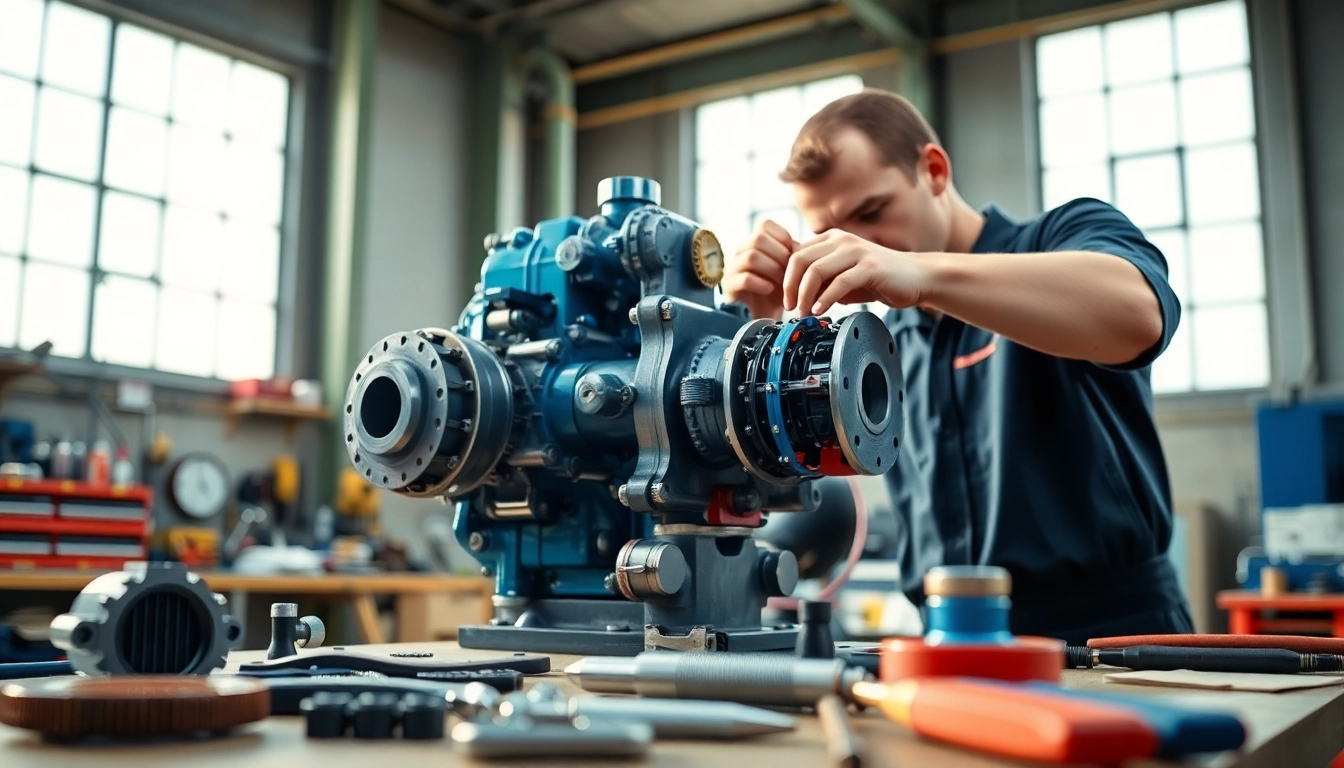
Hydraulic pump services encompass a range of specialized maintenance and repair tasks aimed at ensuring optimal functionality of hydraulic pumps and related systems. These services include routine inspections, repairs, replacements of faulty components, and modifications to enhance performance. Proper hydraulic pump services are essential for industries relying on hydraulic systems, such as construction, manufacturing, and agriculture, where efficiency and reliability are paramount.
Hydraulic pumps are critical components that convert mechanical energy into hydraulic energy through fluid movement. Therefore, regular maintenance from qualified professionals ensures that these pumps operate efficiently, mitigating the risk of system failures that can lead to costly downtimes. For businesses seeking exceptional reliability and maintenance, hydraulic pump services provide a preventative measure against unexpected breakdowns.
The Importance of Hydraulic Pump Maintenance
Maintaining hydraulic pumps is crucial for several reasons. First, regular service prevents unexpected breakdowns, ensuring that machinery operates smoothly, which is essential for productivity. Second, maintenance helps in identifying potential problems early, minimizing costly repairs and downtime. Third, well-maintained pumps enhance safety by preventing failure that could potentially harm operators or damage equipment.
Additionally, regular hydraulic pump maintenance extends the lifespan of the equipment. By replacing worn-out seals, bearings, or other components during scheduled services, operators can extend the working life of their hydraulic systems. This proactive approach not only saves money in the long run but also promotes a culture of safety and efficiency within organizations.
Common Types of Hydraulic Pumps
There are several types of hydraulic pumps, each designed for specific applications. The most common include:
- Gear Pumps: Known for their simple design and reliability. Gear pumps are often used in low-pressure applications.
- Vane Pumps: Feature sliding vanes that maintain a constant flow. These are versatile and can be used in various industries.
- Piston Pumps: Highly efficient and capable of operating under varying pressure conditions, making them suitable for high-performance applications.
- Diaphragm Pumps: Used primarily for transferring corrosive fluids or slurries, these pumps are excellent for safe handling of hazardous materials.
Benefits of Professional Hydraulic Pump Services
Enhanced Performance and Efficiency
Investing in professional hydraulic pump services leads to enhanced performance and efficiency. Technicians employ specialized knowledge and methods to ensure that hydraulic pumps run at optimal levels. Regular servicing can lead to improvements in flow rates, pressure control, and overall system responsiveness.
Furthermore, professional services may identify design flaws or inefficiencies in older systems and provide solutions that incorporate modern technology, improving energy efficiency. Ultimately, this not only translates to cost-savings but also reduces the carbon footprint of industrial operations.
Cost-Effectiveness through Regular Maintenance
Regular maintenance is often more cost-effective than reactive repairs. Preventative services usually cost significantly less than emergency repairs and lost productivity due to system failures. Operators can manage their maintenance schedules to avoid peak operational times, which means their production schedules remain uninterrupted.
Moreover, keeping a well-documented service history can improve asset value during financial evaluations or resale, as potential buyers often seek well-maintained equipment. Therefore, the initial investment in hydraulic pump services can yield significant financial returns over time.
Expert Diagnosis and Repair Solutions
Professional hydraulic pump service providers are equipped with the expertise and tools to diagnose and resolve issues accurately. When hydraulic problems arise, trained technicians can conduct thorough inspections and perform necessary repairs efficiently, minimizing downtime.
These professionals also stay updated with the latest hydraulic technology and repair techniques, ensuring they can handle even the most complex hydraulic systems. The use of high-quality OEM (Original Equipment Manufacturer) parts during repairs further guarantees the reliability and longevity of repaired pumps.
Choosing the Right Hydraulic Pump Service Provider
Key Features to Look For
When selecting a hydraulic pump service provider, consider several key features that reflect their credibility and capabilities:
- Experience: Look for providers with a proven track record in hydraulic pump maintenance and repair. Experience often correlates with quality service.
- Certifications: A reputable provider will have industry-specific certifications that attest to their technical proficiency and understanding of safety standards.
- Customer Support: Strong customer service should accompany all technical capabilities. Providers should offer consultations and support before and after services.
- Emergency Services: Check if they provide 24/7 emergency services to ensure you’re covered during an unexpected breakdown.
Questions to Ask Service Providers
When vetting potential hydraulic pump service providers, consider asking the following questions:
- What are your qualifications and experience in servicing hydraulic pumps?
- Do you provide warranties for your repair work?
- How do your pricing structures work?
- What parts do you typically use for repairs?
- Can you provide references or case studies from previous clients?
Evaluating Service Costs and Value
The cost of hydraulic pump services can vary greatly depending on the complexity of the service, the type of pump involved, and the parts required. When evaluating costs, consider not just the immediate expense, but the long-term value these services can provide. Quality services often lead to fewer repairs needed over time and increased operational efficiencies.
Request detailed quotes from multiple service providers to compare not just prices but what is included in those services. Look for a balance between cost and quality—cheapest is not always the best option, especially when reliability is crucial.
Common Hydraulic Pump Issues and Solutions
Identifying Symptoms of Hydraulic Pump Problems
Regular observation of hydraulic pumps can help identify potential problems before they escalate. Common signs of malfunctioning hydraulic pumps include:
- Strange noises such as grinding or whining.
- Fluctuating pressure readings.
- Unusual fluid leaks or drops in fluid levels.
- Overheating components.
- Reduced efficiency or slower operational response.
If any of these symptoms are present, it is imperative to consult with a professional for immediate diagnosis and remediation to prevent further damage.
Emergency Repair Services Explained
Emergency hydraulic pump repair services are vital for industries that rely heavily on hydraulic operations. These services prioritize swift response times to minimize operational downtime. When an emergency occurs, providers typically dispatch technicians equipped to diagnose and resolve issues rapidly. Their experience ensures that even during high-pressure situations, repairs are executed reliably, restoring operational capacity as quickly as possible.
Preventative Measures to Avoid Future Issues
Implementing regular maintenance schedules significantly reduces the likelihood of hydraulic pump failures. Key preventative measures include:
- Conducting routine inspections to check for wear and tear.
- Keeping hydraulic fluid clean and at adequate levels.
- Replacing filters and seals per the manufacturer’s recommendations.
- Training staff on proper operation techniques and safe handling of hydraulic machinery.
Following these simple strategies, coupled with professional services, can prolong the lifespan of hydraulic systems and ensure steady operation.
FAQs about Hydraulic Pump Services
What are typical costs for hydraulic pump services?
The costs can range based on service complexity, pump type, and parts. It’s best to get quotes for accurate pricing.
How often should I service my hydraulic pump?
Typically, every 3 to 6 months is recommended, but it depends on usage intensity. Regular checks are critical for avoiding major issues.
What signs indicate my hydraulic pump needs repairs?
Look for unusual noises, pressure drops, leaks, overheating, or decreased performance, which indicate a need for service.
Can I perform maintenance on my hydraulic pump myself?
Basic tasks such as checking fluid levels can be done yourself, but for repairs and complex maintenance, professional help is advised.
What is the turnaround time for hydraulic pump repairs?
Turnaround times vary based on the issue’s complexity, but most repairs can be completed within 24 to 48 hours in non-emergency situations.
Contact Information
Call Us: 1 780-452-2876
Email: [email protected]
Address: 13111 159 St NW, Edmonton, AB, Canada, T5V 1H6


More Stories
Understanding Derailment: Causes, Effects, and Prevention Strategies
Advancements in Heavy Industry: Engineering for the Future
Advancements in Heavy Industry: Engineering for the Future