





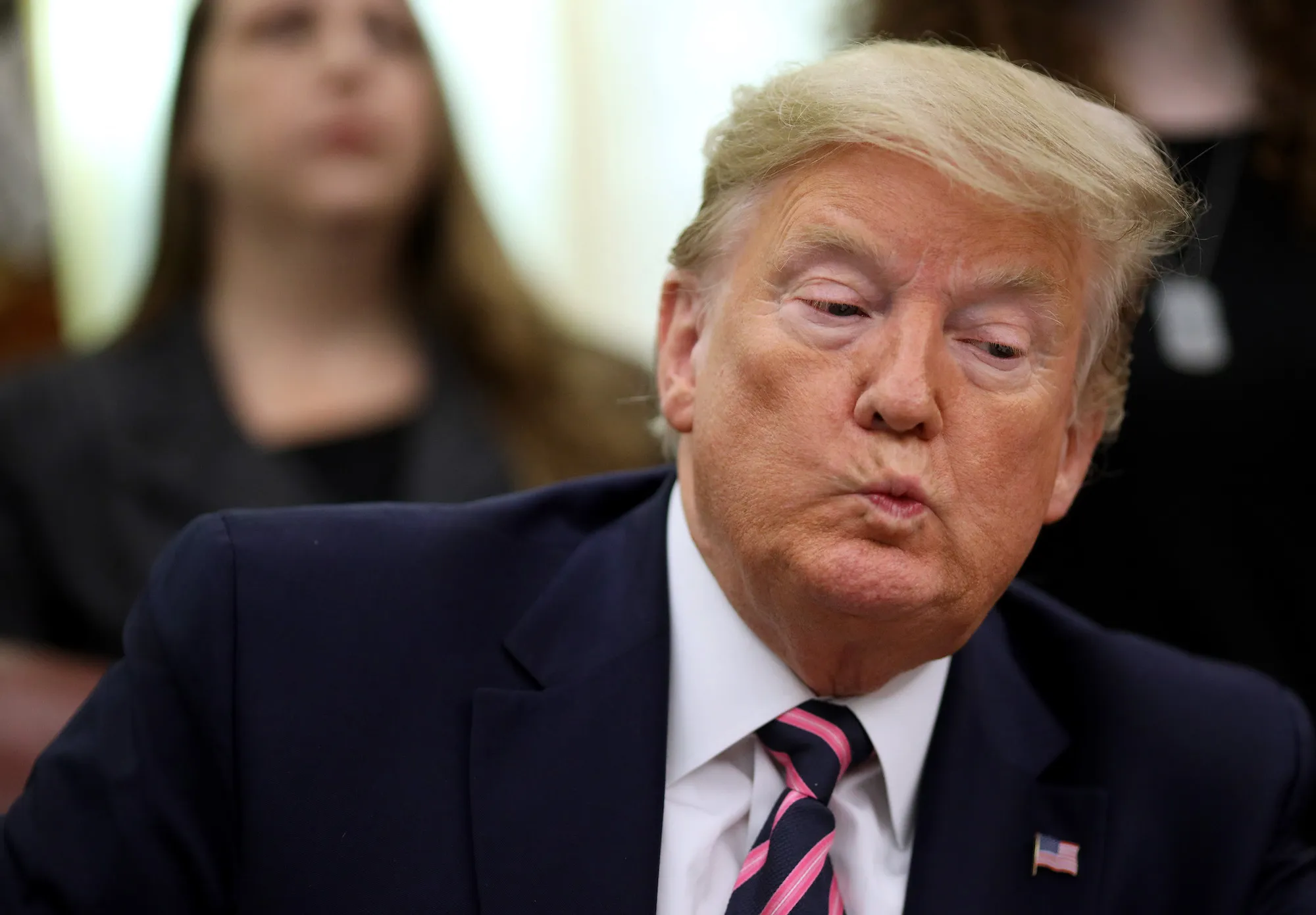
Donald Trump Stroke, the 45th President of the United States, has had his health scrutinized throughout his political career. His medical history, including potential health risks such as stroke, continues to be a subject of intense public interest. This article will explore the rumors surrounding Donald Trump and his health, particularly the possibility of a stroke, and what this could mean for his future political aspirations. At Huntingdrops, we explore public health topics with the goal of providing informed, factual, and up-to-date perspectives on matters of significant public concern. In this article, we aim to address the reality behind the health rumors surrounding Trump and discuss the potential implications for his career.
What Is a Stroke and How Does It Affect Health?
A donald trump stroke occurs when blood flow to a part of the brain is interrupted, leading to brain cell death. There are two primary types of strokes: ischemic, caused by blocked blood flow, and hemorrhagic, caused by ruptured blood vessels. The effects of a stroke can vary widely, ranging from physical impairments like paralysis to cognitive difficulties such as memory loss or speech problems.
Given that strokes can have serious and long-lasting effects, it is important to understand how certain factors—such as age, lifestyle choices, and family history—can increase stroke risk.
Donald Trump Stroke and Health Speculation
Over the years, there has been significant speculation about Donald Trump’s health, particularly regarding his potential stroke risk. In 2019, concerns resurfaced after his public appearances were marked by changes in his gait and speech. These changes led some commentators to question whether a donald trump stroke or another neurological event could be the cause. However, official medical reports from Trump’s doctors have not confirmed a stroke, and the speculations have largely remained unverified.
In addition to the health rumors during his presidency, there have been increasing concerns about his physical state post-office. Trump’s age, diet, and stressful lifestyle have become key points of discussion when assessing his potential health risks.
Age and Health Factors: Donald Trump’s Stroke Risk
Donald Trump stroke is now in his late 70s, a key age group when stroke risks are significantly higher. As individuals age, the likelihood of stroke increases due to a variety of factors such as arterial stiffness, changes in blood pressure, and reduced cardiac efficiency. Trump’s lifestyle choices may also contribute to this risk. Known for his preference for fast food, which is high in sodium and fats, and a relatively low focus on physical fitness, Trump’s diet may lead to high cholesterol and elevated blood pressure—both of which are stroke risk factors.
Additionally, stress plays a significant role in cardiovascular health, and donald trump stroke has had a high-stress lifestyle, from his business ventures to his time as president. Chronic stress can lead to high blood pressure, which is one of the key contributors to stroke.
Family History and Genetic Factors
Trump’s family medical history may also shed light on his health risks. His father, Fred Trump, passed away at the age of 93 and reportedly struggled with heart and lung-related health issues. While no direct mention of strokes has been confirmed, family history plays a crucial role in assessing health risks, particularly when it comes to cardiovascular disease and stroke.
It’s important to note that while family history and lifestyle habits increase stroke risk, they do not guarantee an individual will suffer from a stroke. Nevertheless, these factors contribute to an increased likelihood of experiencing a cardiovascular event.
The Political Implications of Trump’s Health
The speculation surrounding Donald Trump stroke also raises questions about his political future. If he were to suffer from a stroke, it could have significant consequences for his ability to campaign for office, perform the duties of a president, or continue engaging with his political base. The media, political opponents, and voters would likely focus on his health, questioning whether he is fit to lead.
A stroke could also affect Trump’s public image. If recovery were swift and thorough, it could be seen as a comeback story, reinforcing his resilience. However, if he faced lasting effects, it could undermine his ability to effectively lead, impacting his future political endeavors.
The Role of Public Perception in Health Concerns
Public reaction to donald trump stroke health concerns would likely vary, as has been the case with other public figures. Supporters may downplay the significance of any health setbacks, while opponents could use these concerns as a platform to question his fitness for office. Given Trump’s polarizing presence in politics, any health-related issue—whether confirmed or speculated—will likely continue to be heavily scrutinized, influencing public discourse and electoral prospects.
Moreover, the media’s treatment of his health issues, such as donald trump stroke rumors, can shape public opinion. Coverage of recovery, or the lack thereof, could become a key part of political debates, potentially overshadowing his policy proposals and political actions.
FAQs
1. What are the warning signs of a stroke?
Common stroke symptoms include sudden weakness or numbness on one side of the body, difficulty speaking, confusion, dizziness, and severe headache. Immediate medical attention is critical if these symptoms appear.
2. Has Donald Trump ever been diagnosed with a stroke?
As of now, no official reports have confirmed that Donald Trump has suffered a stroke. While rumors and speculation about his health have circulated, these claims have not been substantiated by medical professionals.
3. What health risks contribute to stroke in older adults?
In older adults, donald trump stroke is heightened by factors such as high blood pressure, high cholesterol, smoking, lack of physical activity, and poor diet. Age, family history, and chronic stress also increase vulnerability to stroke.




More Stories
Real Estate Investing in 2026: Strategies for Smarter Growth
Destructive Behavior Dog Training Phoenix: Expert Guide
alexometro: La guía definitiva para elegir el mejor en 2026