


Understanding Your Freezer Needs
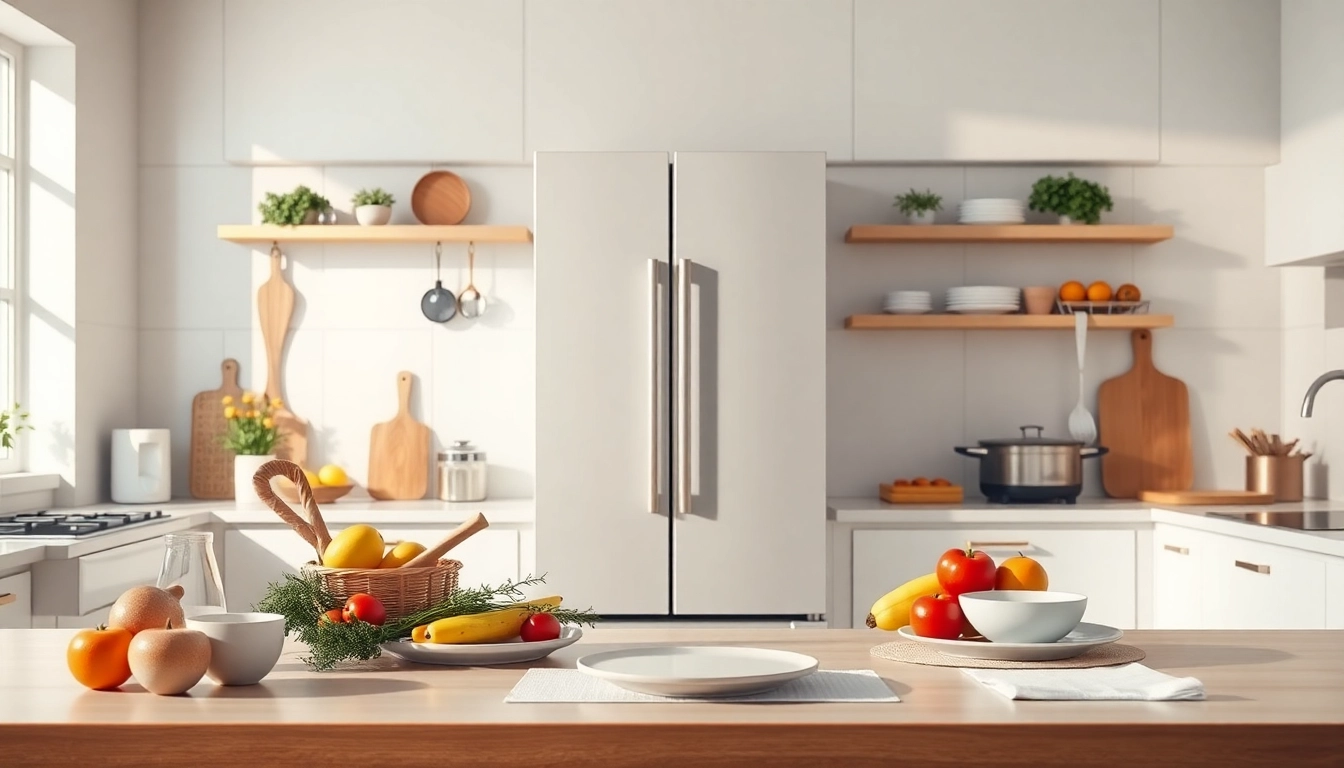
When it comes to planning your kitchen, understanding your Freezer needs is critical. With a variety of types available on the market, and factors such as size and key features to consider, properly identifying what you need can simplify your shopping experience. This guide will delve into types of freezers, space and size considerations, and essential features to look for.
Types of Freezers Available
Freezers come in several types, each serving different needs and preferences:
- Upright Freezers: These resemble standard refrigerators and offer vertical storage. They are ideal for smaller spaces and usually come with shelves for organized storage.
- Chest Freezers: Characterized by their horizontal design, chest freezers provide ample storage and are generally more energy-efficient than upright models. They are best for bulk storage.
- Portable Freezers: These compact freezers are designed to be easily moved and are often used for picnics or camping. They typically run on electricity or car batteries.
- Commercial Freezers: These heavy-duty machines are suited for restaurants or businesses that require extensive storage space and powerful cooling systems.
Analyzing Space and Size Considerations
Before deciding on a freezer, the space it will occupy is crucial. Measure the area where you plan to place the freezer, allowing for ventilation. Different families have different storage needs; therefore, considering size in relation to household size is essential. A general rule is that families of four usually require either a 12-18 cubic feet upright freezer or a 16-25 cubic feet chest freezer. However, this may vary based on food storage habits.
Key Features to Look For
When selecting a freezer, consider these key features:
- Adjustable Shelves: Flexibility in shelf arrangement can facilitate better organization.
- Temperature Control: High-quality freezers offer digital thermostats for maintaining consistent temperatures.
- Energy Efficiency Ratings: A model with an ENERGY STAR label can help you save on electricity bills.
- Interior Lighting: Built-in lights improve visibility when searching for items inside your freezer.
- Frost-Free Options: These prevent ice build-up which can take up valuable storage space and make it easier to maintain.
Energy Efficiency and Performance
The freezer is one of the most energy-consuming appliances in a household. Selecting an energy-efficient model can significantly lower your utility bills over time. Let’s explore how to choose wisely and maintain optimal performance.
Choosing Energy Star Rated Freezer
The ENERGY STAR label is awarded to products that surpass government standards in energy efficiency. Opting for an ENERGY STAR rated freezer ensures that you are minimizing environmental impact while lowering operating costs. These models use 10% less energy than required by federal standards, which can amount to substantial savings over the appliance’s lifetime.
Understanding Energy Consumption
Besides the initial purchase price, it’s important to consider the estimated yearly energy consumption of a freezer. Check the yellow Energy Guide label that accompanies appliances, which provides an estimate of how much energy the model requires. On average, freezers can consume anywhere between 200 to 600 kWh annually, depending on type and size.
Maximizing Freezer Efficiency
To maximize your freezer’s efficiency, follow these best practices:
- Keep It Full: A full freezer runs more efficiently than an empty one. If you don’t have enough food to fill it, consider placing ice packs inside to keep the temperature stable.
- Maintain the Correct Temperature: Set the freezer temperature to 0°F (-18°C) for optimal balance between food preservation and energy consumption.
- Avoid Overpacking: Although a full freezer is efficient, overstocking can restrict airflow and lead to uneven temperatures.
- Regular Defrosting: If you own a manual-defrost model, ensure that frost build-up does not exceed a quarter of an inch.
- Seal Checks: Regularly inspect the door seals for cracks or wear, replacing them if necessary to prevent cold air leaks.
Organization Tips for Your Freezer
An organized freezer ensures you can find items quickly, prevents food waste, and maximizes the available space. Here are some effective organization techniques.
Best Practices for Storage
Develop a systematic storage method. Group similar food types together — meats in one area, vegetables in another, and pre-packed meals in another section. Use clear, labeled bins to categorize items, which simplifies access while providing a visual reference to what you have stored.
Labeling and Inventory Techniques
Labeling items with dates is crucial for tracking freshness. Use waterproof labels or dry-erase markers on bins. Create a simple inventory list that can be affixed to the inside of the freezer door. Update it regularly to keep track of what items are stored and to minimize food waste.
Utilizing Space Wisely in Your Freezer
Take advantage of vertical space by stacking items of similar height and utilizing clear bins to maximize shelf space. Ice trays, bags of frozen produce, and containers of leftovers can be organized to minimize wasted space. For chest freezers, consider a tiered approach with bin drawers that allow access to the lower layers without having to empty the entire freezer.
Maintenance and Care for Longevity
Proper maintenance is the key to extending the lifespan of your freezer. Regular upkeep not only ensures efficient performance but also prevents more costly repairs down the line.
Regular Cleaning Techniques
To keep your freezer fresh and functional, clean it thoroughly every six months. Unplug it, remove all contents, and wash shelves and compartments with warm, soapy water. A mixture of baking soda and water also works well to neutralize odors, ensuring that your freezer does not impart flavors to your food.
Common Issues and Troubleshooting
Knowing how to troubleshoot minor issues can save time and costs. Common problems include frost build-up, strange noises, or a failure to maintain temperature. For frost build-up, ensure that the door is sealing correctly. For noises, check to ensure nothing is restricting the fan or that there are not loose parts inside. If it’s not maintaining temperature, consider checking the thermostat settings or the door seal.
When to Seek Professional Help
If you experience persistent issues like unusual sounds, noticeable failures in temperature regulation despite troubleshooting, or a malfunctioning defrost system, it may be wise to seek professional help. Timely intervention can prevent further damage and costs associated with replacing the unit.
Frequently Asked Questions about Freezers
What size Freezer is best for a family of four?
A freezer between 12-18 cubic feet for upright models or 16-25 cubic feet for chest models is generally suitable for a family of four, depending on storage habits.
How can I defrost my Freezer quickly?
To speed up the defrost process, you can place bowls of hot water inside the freezer to help melt ice faster and prevent it from accumulating.
What foods can be stored in a Freezer?
You can freeze fruits, vegetables, meats, bread, prepared dishes, and leftovers effectively. Vacuum-sealing helps maintain their quality.
Is it worth buying an Energy Star Freezer?
Yes, the initial investment is typically recouped over time through lower energy bills, making it a smart choice for long-term savings.
How long does the average Freezer last?
On average, a good quality freezer lasts around 10-15 years with proper maintenance and care.


More Stories
5 Essential Buy Water Lilies Lessons from Gardening Experts
Reliable Bathroom Renovation Contractors Near Me for Your Home
Proven Roof Waterproofing Solutions for Your Home in 2026