





Overview
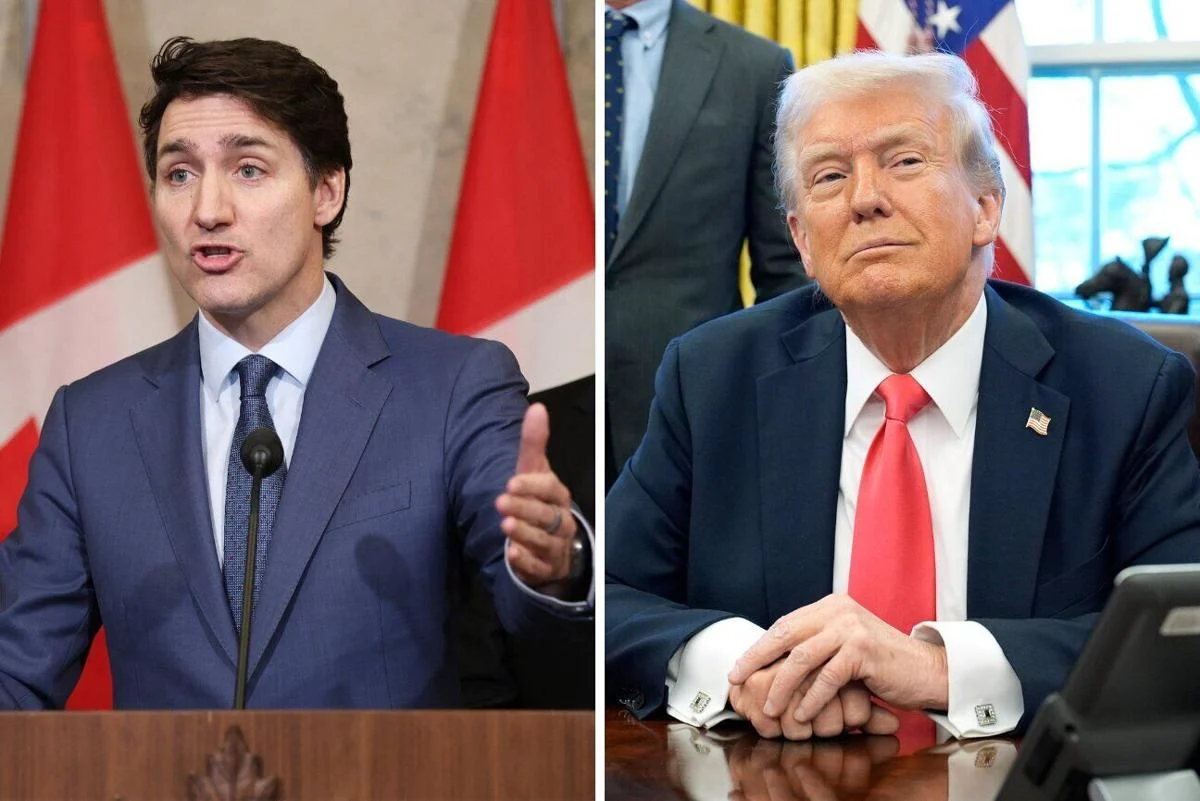
Canada tariffs trump that trade relationship between the U.S. and Canada has always been one of the most crucial in the global marketplace. As one of the U.S.’s largest trading partners, Canada’s economy faced significant disruptions due to the tariffs imposed during former President Donald Trump’s tenure. The impact of these policies reverberated not just across the trade channels but also throughout the political and diplomatic landscape. At Huntingdrops, we analyze how these policies shaped the economic relationship between the two countries and what future repercussions might look like.
Trump’s Bold Threat of a 100% Tariff on Canada
In 2018, President Trump made a headline-grabbing statement that he was ready to impose a 100% tariff on imports from Canada. This was a bold assertion rooted in his dissatisfaction with what he perceived as unfair trade practices between the two nations. Canada, especially in areas like dairy, steel, and lumber, was seen as taking advantage of the U.S. trade system, according to Trump. The 100% tariff threat was not only a potential trade war escalation but also a signal that Trump was willing to take drastic steps to force changes in trade policies that he believed were harmful to American interests.
While this extreme measure was never implemented, its very mention created instability in U.S.-Canada trade relations. The threat was significant enough to cause considerable market uncertainty. “Trump’s tariffs were about more than just trade—they were part of his broader strategy to reshape America’s global economic position,” noted economist Peter Navarro in a 2018 interview.
U.S. Tariffs on Canadian Products: A Response to Trade Imbalances
The U.S. tariffs under Trump’s administration were extensive, affecting multiple industries. One of the most notable measures was the imposition of tariffs on Canadian steel and aluminum. The justification behind this was national security concerns, a claim made under Section 232 of the Trade Expansion Act. While Trump argued that these tariffs were necessary to protect American industries and workers, many canada tariffs trump felt the brunt of this policy, especially in manufacturing.
In retaliation, Canada imposed tariffs on several U.S. products, including whiskey, steel, and aluminum, sending a message of defiance to the U.S. The tariff war escalated as both countries raised the stakes with countermeasures. Canadian industries, which heavily relied on exports to the U.S., were left to grapple with the economic fallout. As the trade war continued, businesses from both sides of the border struggled with uncertainty, which slowed down investment and increased the cost of goods for consumers on both sides.
The Canada Tariffs Trump Relationship and Trade Dynamics
Another major aspect of canada tariffs trump policies during his presidency was his criticism of Canada’s relationship with China. Trump frequently accused Canada of allowing Chinese products to flow into the U.S. market without the same scrutiny placed on other countries. This was particularly highlighted after the arrest of Huawei executive Meng Wanzhou in Canada, at the request of U.S. authorities, which led to heightened tensions between the U.S., Canada, and China.
Canada’s Response to the Tariff War and Negotiation Efforts
In response to the tariffs and threats from the Trump administration, Canada had to adopt a strategic and multifaceted approach to safeguard its economy. On one hand, Canada’s dependency on the U.S. as a major trading partner made it difficult to directly challenge U.S. policies. On the other hand, Canada had to protect its industries from what it considered to be unfair trade practices.
Trump Tariffs and Canada’s Economic Landscape
The broader economic impact of Trump’s tariffs on Canada cannot be overstated. The unpredictability of U.S. trade policies during the Trump administration meant that Canadian industries had to remain agile. Many businesses found themselves scrambling to secure alternative suppliers, while others struggled to maintain competitive pricing due to higher costs imposed by tariffs.
Conclusion
Canada tariffs trump, particularly the threat of a 100% tariff, marked a significant chapter in the trade relationship between the two countries. While the full extent of these tariffs was never realized, the policies created a lasting legacy of economic uncertainty, diplomatic tension, and shifts in trade strategies. As global trade dynamics continue to evolve, the impact of these tariffs serves as a cautionary tale about the volatility of trade wars and the complexities of international diplomacy.
FAQs
1. What was the reason behind canada tariffs trump goods?
Trump’s tariffs on Canadian goods were primarily driven by national security concerns and a desire to address what he perceived as unfair trade practices, particularly in steel, aluminum, and agricultural products.
2. Did the 100% tariff on Canada ever happen?
No, Trump’s threat to impose a 100% tariff on Canadian goods was never fully realized, but the mere threat caused significant market instability and diplomatic tension.
3. How did Canada respond to Trump’s tariffs?
Canada imposed its own retaliatory tariffs on U.S. goods, including steel, aluminum, and whiskey, and worked diplomatically to renegotiate NAFTA, resulting in the USMCA trade agreement.




More Stories
Real Estate Investing in 2026: Strategies for Smarter Growth
Destructive Behavior Dog Training Phoenix: Expert Guide
alexometro: La guía definitiva para elegir el mejor en 2026