



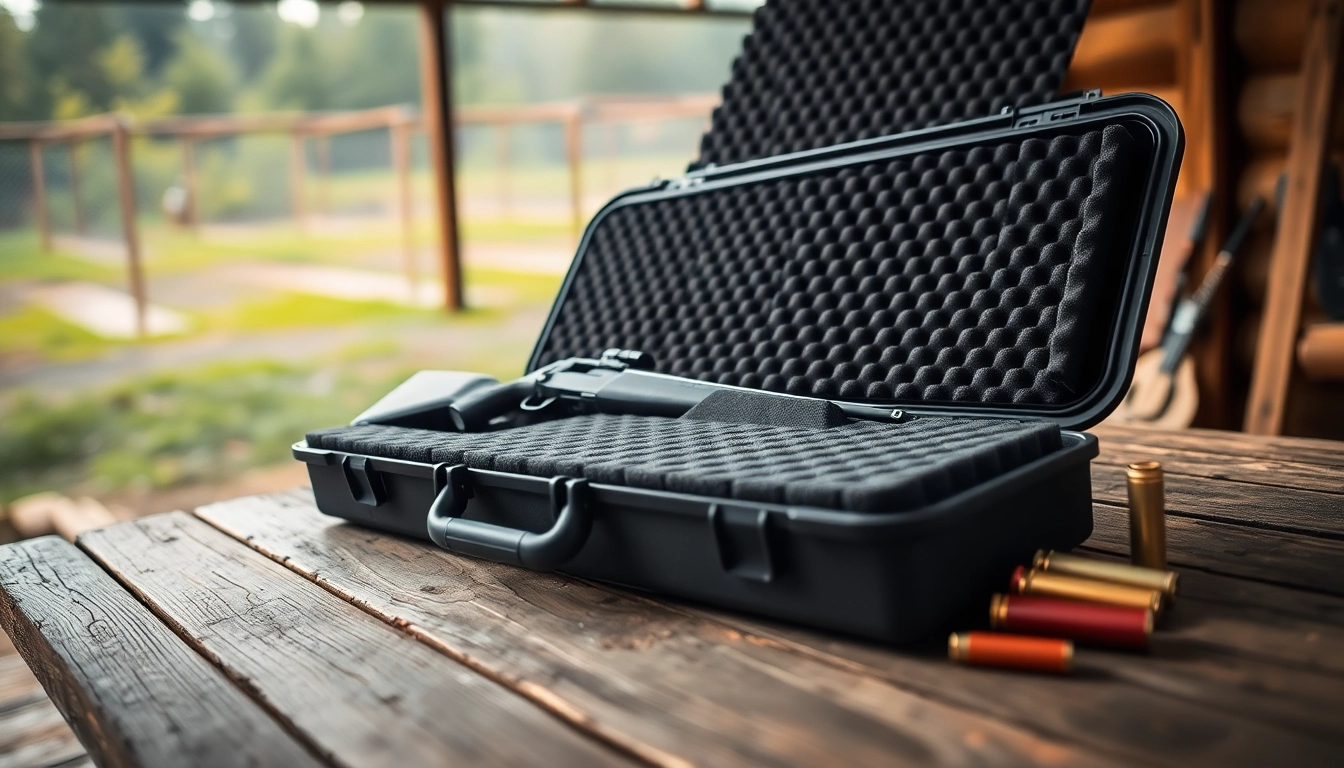
Understanding Foam for Rifle Case
What is Foam for Rifle Case?
Foam for rifle case serves as the protective cushioning material designed specifically for securing rifles and their accessories during transport. It offers a tailored fit that keeps firearms stable and protected from impacts, moisture, and other environmental factors. The foam can come in various configurations, allowing for the integration of specific compartments for accessories like scopes, magazines, and cleaning kits. Utilizing foam for rifle case enhances both safety and durability, making it a vital component for firearm enthusiasts.
Materials Used in Foam for Rifle Case
When considering foam for rifle cases, understanding the types of materials used is essential. Common materials include:
- Polyethylene Foam: Known for its durability, this foam is resistant to moisture and has excellent shock-absorbing properties.
- Polyurethane Foam: Often softer, polyurethane offers more cushioning and is effective at protecting delicate components.
- EVA Foam: Ethylene-vinyl acetate foam is flexible, durable, and provides excellent impact resistance, making it a popular choice.
- Closed-Cell Foam: This type prevents moisture and air from entering, making it ideal for humid environments.
Benefits of Custom Foam for Rifle Case
Custom foam provides several advantages over standard options, including:
- Perfect Fit: Tailored cuts ensure that every part of your rifle and accessories are snugly fit, minimizing movement.
- Comprehensive Protection: Custom designs allow for added compartments and protection for additional gear.
- Enhanced Safety: A snug fit reduces the risk of damage during transport or handling, safeguarding your investment.
- Increased Organization: Custom foam allows for organized compartments, making it easier to access equipment quickly.
Choosing the Right Foam for Your Rifle Case
Factors to Consider When Selecting Foam
Selecting the appropriate foam for your rifle case involves several considerations:
- Type of Rifle: Different rifles have varying dimensions and forms, affecting foam requirements.
- Specific Accessories: Understanding what additional gear you need to store will help determine the layout and thickness of foam.
- Environment: Consider the conditions where you’ll be transporting your rifle. Moisture-resistance and temperature control play key roles.
- Weight: Heavier foams provide better protection but may add to the overall weight of the case.
Different Types of Foam for Rifle Case
There are several distinct types of foam you might choose for your rifle case:
- Pre-cut Foam: These are factory pre-cut options that provide decent fit but may not accommodate every accessory.
- Custom Foam Inserts: These are tailored to specific firearms and accessories, maximally utilizing space and offering superior protection.
- Layered Foam: Comprises multiple layers of foam that can offer various cushioning and protective qualities.
Custom vs. Pre-cut Foam for Rifle Case
Choosing between custom and pre-cut foam depends on your unique needs:
- Custom Foam: This option is often more expensive but offers a perfect fit, maximizing protection and organization for your specific rifle and gear.
- Pre-cut Foam: While less expensive, pre-cut options may not provide the snug fit needed, especially for specialty accessories.
Best Practices for Foam Maintenance
How to Clean Foam for Rifle Case
Maintaining the cleanliness of your foam is crucial for longevity:
- Remove the foam from the case to avoid damaging the rifle.
- Use a vacuum cleaner to remove dust and debris.
- Wipe using a damp cloth with mild soap for stains; avoid soaking the foam.
- Ensure the foam is completely dry before reinserting it into your rifle case.
Storing Your Foam for Rifle Case
Proper storage is vital for ensuring your foam maintains its integrity:
- Keep it in a cool, dry place to prevent moisture accumulation.
- Avoid placing heavy objects on top of the foam to maintain its shape and cushioning properties.
- Store it away from direct sunlight, which can degrade the material over time.
Signs Your Foam Needs Replacement
Regular checks are necessary to determine if replacement is needed:
- Compression Damage: If the foam has lost its shape and doesn’t provide adequate cushioning, it may need replacement.
- Tearing or Cracking: Physical damage indicates that the foam may no longer perform effectively.
- Odor: A bad smell could indicate moisture damage, necessitating a change.
Enhancing Performance with Foam for Rifle Case
Accurate Fit: Importance of Precision Cutting
An accurate fit is critical as it maintains the integrity of your rifle and its components. Foam should be cut smoothly and precisely to ensure that every piece fits perfectly, enhancing the overall safety during transport. The more accurately the foam fits, the less risk there is of movement that could lead to scratches or other forms of damage.
Protecting Components Inside Your Rifle Case
Beyond merely supporting the rifle, foam can be designed with compartments for various components, such as magazines and optics. Each compartment should be crafted to secure items, preventing them from colliding and sustaining damage. Utilizing quality foam effectively distributes the shock from external impacts, meaning the critical components within are shielded and preserved.
Improving Durability of Your Foam for Rifle Case
Enhancing the durability of your foam involves selecting high-quality materials and applying proper care techniques. Consider using closed-cell foam, which resists wear and tear better than open-cell options. Regular maintenance, such as cleaning and proper storage, will additionally prolong the life of the foam. Investing in durable materials from the start will save you costs in the long run.
FAQs about Foam for Rifle Case
How can I customize my foam for rifle case?
You can customize foam by choosing cuts that fit your rifle and accessories precisely. Consider using layering techniques for added protection.
What types of foam are best for rifle cases?
High-density polyethylene foam and EVA foam are excellent choices, providing durability and shock absorption for your rifle.
Can I replace the foam in my existing rifle case?
Yes, replacing the foam is easy and can enhance protection. Ensure to choose the right type and thickness for optimal fit.
How often should I inspect the foam in my rifle case?
It’s advisable to inspect the foam every 6 months, looking for wear, tear, or compression indicating the need for replacement.
Is custom foam for rifle cases worth it?
Custom foam enhances security and ensures a perfect fit, making it worth the investment for serious gun owners.



More Stories
How to Win More with Pharmaqo Shop: Expert Tactics for Bodybuilders in 2026
New Precision Glock Slides Rules Every Gun Enthusiast Must Follow in 2026
Mastering Eyebrow Perfection with Skone Cosmetics Brow Wand