


Understanding the Basics of Water Lilies
Water lilies are an enchanting addition to any garden pond, offering both beauty and ecological benefits. Known for their large, flat leaves and vibrant flowers, these aquatic plants thrive in calm waters and come in a variety of colors and sizes. As you explore your options, Buy Water Lilies can transform your water garden into a serene oasis.
What are Water Lilies?
Water lilies belong to the family Nymphaeaceae and are primarily found in shallow waters like ponds and lakes. These captivating plants float on the surface of the water and have roots anchored in the mud below. Their unique structure allows them to absorb sunlight efficiently, which is crucial for their growth and flowering. Water lilies can be divided into two main types: hardy water lilies, which can survive cold winters, and Tropical water lilies, which require warmer temperatures.
Benefits of Adding Water Lilies to Your Pond
- Aesthetic Appeal: Water lilies provide a stunning visual element to ponds, with their array of colors and textures.
- Wildlife Habitat: They offer shelter and food for various aquatic wildlife, contributing to a balanced ecosystem.
- Water Quality Improvement: These plants help reduce algae growth by providing shade and absorbing excess nutrients in the water.
- Oxygen Production: As they photosynthesize, water lilies release oxygen into the water, promoting a healthier environment for fish and other pond dwellers.
Types of Water Lilies to Consider
When selecting water lilies for your pond, it’s important to consider the various types available. Some popular choices include:
- Nymphaea ‘Attraction’: This hardy variety features large, bright pink flowers and is known for its vigorous growth.
- Nymphaea ‘Helvola’: A petite variety, ideal for small ponds, boasting delicate yellow blooms.
- Nymphaea ‘Blue beauty’: This tropical variety showcases stunning blue flowers and thrives in warmer climates.
How to Choose the Right Water Lilies for Your Pond
Selecting the appropriate water lilies for your pond involves several considerations to ensure a thriving aquatic environment. First, it’s critical to assess the depth and size of your pond. Shallow ponds are ideal for hardy varieties, while deeper and warmer ponds can support tropical water lilies. Additionally, understanding your local climate will guide you in choosing the right species.
Factors Affecting Water Lily Growth
Several factors influence the growth and health of water lilies:
- Sunlight: Water lilies thrive in full sun, requiring at least 6 hours of direct sunlight per day.
- Water Quality: Clean, nutrient-rich water encourages growth, while polluted water can harm plants.
- Temperature: Hardy lilies can survive colder temperatures, whereas tropical varieties prefer warmer conditions.
Choosing Colors and Varieties
Water lilies come in a kaleidoscope of colors, ranging from soft pastels to vibrant hues. When selecting colors, consider the overall theme of your pond and how different hues will complement the aquatic environment. Pairing different varieties can also create a stunning visual display.
Understanding Your Pond’s Conditions
Evaluate your pond’s unique conditions, such as depth, sunlight exposure, and existing wildlife. Conducting a water test can help you understand the nutrient levels and pH, guiding you in selecting the most suitable water lilies for your environment.
Proper Planting Techniques for Water Lilies
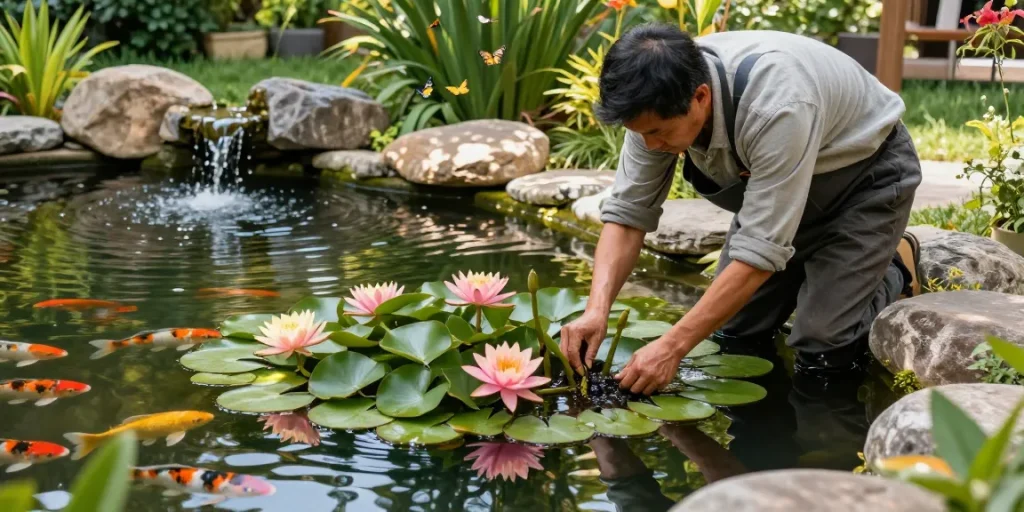
Planting water lilies correctly is essential for their successful establishment. Begin by preparing your pond environment, which may involve clearing debris and ensuring good water quality.
Preparing Your Pond Environment
Clear your pond of algae and debris to create a healthy environment for planting. Consider using a pond vacuum to remove excess detritus and improve water clarity. Ensure the water temperature is suitable, typically between 70°F to 80°F (21°C to 27°C) for optimal growth.
Step-by-Step Planting Guide
- Choose a planting container that has drainage holes, preferably a shallow pot.
- Fill the pot with a heavy loam soil, ensuring it is free of fertilizers.
- Plant the water lily tuber in the soil, with the growing point facing upwards.
- Cover the tuber with an inch of soil and carefully lower the pot into the pond at the appropriate depth.
- Monitor your plant for the first few weeks, ensuring it is receiving adequate sunlight and nutrients.
Common Mistakes to Avoid When Planting
To maximize the success of your water lilies, avoid the following common pitfalls:
- Over-fertilizing, which can lead to algae blooms.
- Planting too deep; most varieties need to be submerged about 12-18 inches below the water surface.
- Neglecting to provide adequate sunlight, which is critical for their growth.
Caring for Your Water Lilies Throughout the Seasons
Seasonal care is vital for the health of your water lilies. Understanding their needs throughout the year will ensure vibrant blooms and a flourishing pond ecosystem.
Spring: Planting and Early Growth Care
As temperatures warm, it’s the perfect time to plant new water lilies or refresh existing ones. Monitor water levels, fertilize as needed, and ensure they receive sufficient sunlight.
Summer: Maintenance and Fertilization
During the summer months, keep an eye on water quality and algae growth. Regularly add fertilizer tablets to promote robust growth and blooming.
Fall and Winter: Preparing for Dormancy
As temperatures drop, it’s essential to prepare your water lilies for dormancy. For hardy varieties, trim back foliage and ensure they have enough depth to survive freezing temperatures. Tropical varieties should be brought indoors to protect them from the cold.
Enhancing Your Pond with Water Lilies and Other Plants
Water lilies are a fantastic centerpiece for any pond, but they can also be complemented with other aquatic plants to enhance the ecosystem and aesthetic value.
Companion Plants for Water Lilies
Consider incorporating marginal plants such as cattails, bulrushes, and water hyacinth around the edges of your pond. These plants provide additional habitat and serve an ecological role in filtering water.
Creating a Balanced Ecosystem in Your Pond
To maintain a balanced ecosystem, it’s essential to consider all aspects of your pond. The right mix of flora and fauna will help keep algae levels low while supporting diverse aquatic life. Incorporate fish and other wildlife to promote natural balance.
Using Water Lilies for Aesthetic Benefits
Beyond their ecological contributions, water lilies provide unmatched beauty to your pond. Pairing various colors and sizes can create a dynamic visual landscape that changes with the seasons. Think about your pond’s design and how the water lilies can enhance its overall look.
Frequently Asked Questions
What are the best conditions for growing water lilies?
To grow water lilies successfully, provide full sun exposure, calm water, and nutrient-rich soil. Ensure the water temperature is warm enough, typically between 70°F to 80°F.
How long does it take for water lilies to bloom?
Depending on the variety and growing conditions, water lilies can take anywhere from a few weeks to several months to produce blooms after planting.
Can water lilies survive winter in a pond?
Hardy water lilies can survive winter in a pond if adequately submerged below the frost line. Tropical varieties, however, need to be overwintered indoors.
What are the different varieties of water lilies?
Water lilies come in numerous varieties, including hardy types like Nymphaea ‘Perry’s Fire Opal’ and tropical varieties like Nymphaea ‘Attraction’. Each type has different growth habits, sizes, and colors.
How do I prune and maintain water lilies?
Prune your water lilies by trimming dead leaves and spent flowers, which helps improve air circulation and encourages new growth. Additionally, remove any debris from the pond regularly to maintain a healthy environment.

More Stories
Reliable Bathroom Renovation Contractors Near Me for Your Home
Proven Roof Waterproofing Solutions for Your Home in 2026
Transform Your Space with a Cape Cod Home Addition