



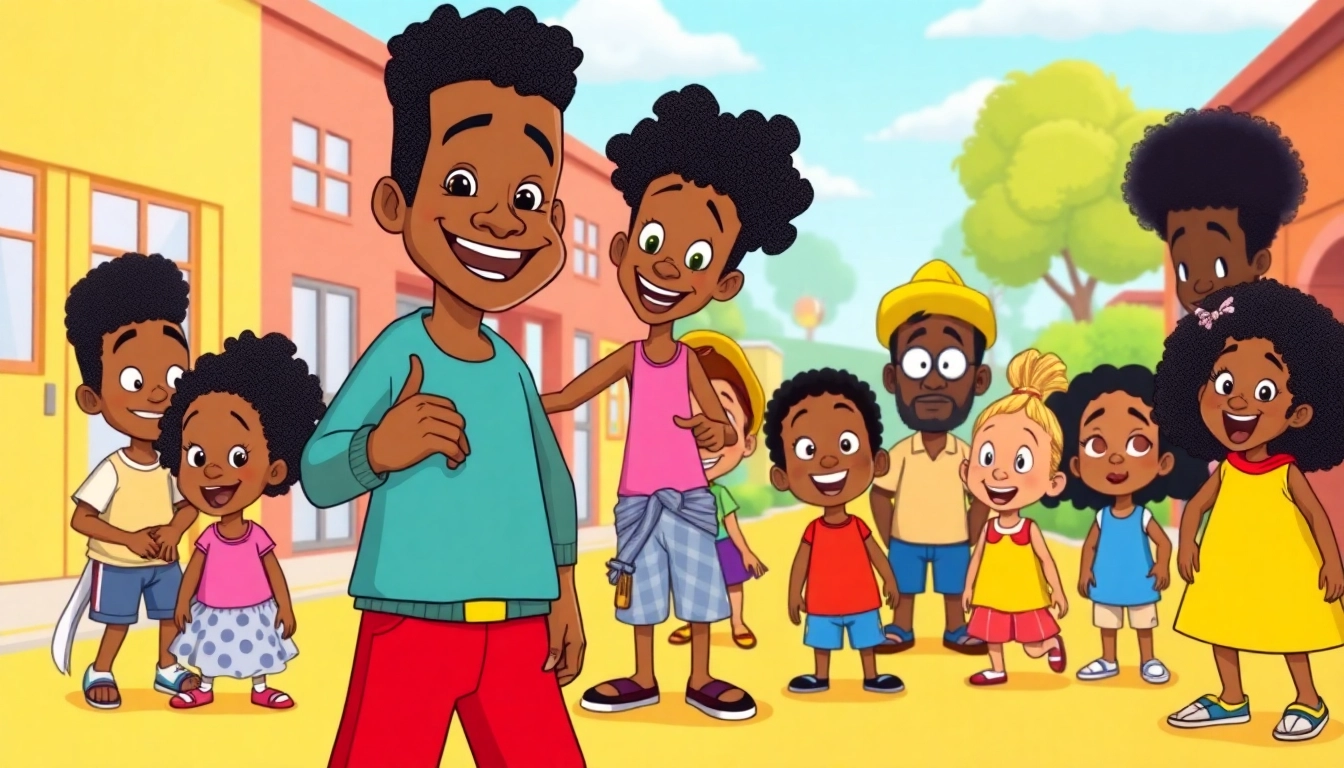
Understanding African American Cartoons
African American cartoons have played an essential role in not just the animation industry but also in the broader context of cultural representation and storytelling. From their inception to modern interpretations, these cartoons have provided a platform for reflecting and celebrating the richness of African American culture. As we navigate through 2026, understanding their roots and evolution is critical for appreciating their significance. African American Cartoons continue to influence animators and storytellers, shaping narratives that resonate with audiences worldwide.
History and Evolution of African American Cartoons
The history of African American cartoons dates back to the early 20th century. Characters like “Shufflin’ Sam” and later, “Fat Albert,” emerged during a time when racial stereotypes dominated media. However, as animation began to evolve, so did the depiction of African American characters. The 1990s brought significant changes with shows like “The Boondocks” and “The Proud Family,” which highlighted complex social issues through a comedic lens.
Today’s animation landscape recognizes the importance of diversity, with studios actively seeking to create content that reflects the variety of experiences within the African American community. This evolution from caricature to multifaceted characters signifies a step towards more authentic representation in media.
Key Themes and Cultural Representation
African American cartoons often explore themes of family, community, resilience, and identity. These shows provide relatable content for Black audiences while also educating others about African American culture. Through humor, drama, and fantasy, they break down societal barriers and encourage conversations around race, equality, and social justice.
For instance, “The Boondocks” cleverly critiques contemporary American society while showcasing the lives of two young African American boys living in a predominantly white suburb. This juxtaposition not only entertains but also encourages viewers to examine their own biases and societal norms.
Impact on Animation Industry
The influence of African American cartoons extends beyond their storylines. They have paved the way for a more inclusive animation industry. Shows such as “Craig of the Creek” have gained acclaim for featuring diverse characters and voices, allowing for a broader spectrum of storytelling. This impact is evident in the increasing number of African American writers, directors, and animators gaining recognition and respect in a historically homogeneous industry.
Furthermore, the success of these cartoons has prompted studios to understand the commercial viability of diverse content, thus leading to a more vibrant and varied animation landscape.
Top 10 Must-Watch African American Cartoons
Classic Favorites That Shaped Generations
- Fat Albert and the Cosby Kids – A foundational series that introduced viewers to the lives and challenges of a group of African American teenagers.
- The Proud Family – Celebrated for its depiction of an African American family navigating everyday issues, it has found renewed interest with its recent reboot.
- The Boondocks – Known for its sharp satire, it tackles serious themes within a comedic framework.
- Afro Samurai – A unique blend of Japanese anime and African American culture, featuring a black protagonist in a samurai setting.
- Static Shock – This superhero series addressed serious themes like racism and gun violence in a relatable manner for younger audiences.
New Releases to Watch in 2026
- Young Justice: Phantoms – Continues to delve deeper into character arcs with more diversity in storytelling.
- Craig of the Creek – This show has continued to evolve, showcasing more diverse friends and family dynamics.
- Motown Magic – This charming series introduces children to music and art while celebrating African American culture.
- Big Mouth – While not exclusively focused on African American characters, it features significant representation and discusses critical social themes relevant to youth.
Hidden Gems You Might Have Missed
- Doc McStuffins – A delightful series about a young black girl aspiring to be a doctor, teaching kids about empathy and care.
- Red Line – A lesser-known project that explores social issues within an animated context, inviting deeper discussions.
- Esme & Roy – A unique series centered on a diverse cast of characters that nurtures friendship and problem-solving.
- Little Bill – Based on Bill Cosby’s children’s books, it provides insight into everyday experiences of African American children.
Characters That Matter: Breaking Stereotypes
Iconic Character Profiles
Characters from African American cartoons have become symbols of empowerment and resilience. For example, characters like Huey Freeman from “The Boondocks” and Doc McStuffins represent not just Black culture but also challenge stereotypes. They show children that they can be anything, whether a doctor or a strategist fighting for social justice.
Representation in Modern Animation
Modern animation continues to prioritize representation. Shows like “The Loud House” and “Tuca & Bertie” feature diverse characters and storylines that resonate with varied audiences. This shift signifies a growing understanding of the power of representation and the importance of showcasing multiple narratives and experiences.
Lessons Learned from These Characters
These characters embody lessons of courage, strength, and the importance of community. By embracing their identities, they inspire viewers – especially children – to embrace their uniqueness and advocate for themselves and others in their communities.
The Future of African American Cartoons
Emerging Trends in Animation
The animation industry is witnessing a rise in diverse voices and stories. The increasing use of digital platforms allows animators to showcase their work independently, leading to a broader array of African American stories being told. Collaborations between creators from different backgrounds are enriching narratives further.
Influence of Technology on Animation Styles
Advancements in technology are revolutionizing animation styles. Techniques like 3D modeling and augmented reality are being used to create more engaging and dynamic narratives. These innovations enable animators to tell stories in ways that resonate profoundly with today’s digital-savvy audience.
Expectations for Representation in 2026
As we move deeper into 2026 and beyond, the expectation for representation in media will only grow. Audiences will demand stories that reflect their realities and histories, encouraging studios to invest in projects that depict authentic African American experiences, stories, and cultures. The voices of African American creators will remain pivotal in shaping this narrative.
Engaging with African American Cartoons
How to Access Content Legally
Accessing African American cartoons legally is essential in supporting the creators behind these valuable narratives. Many platforms now offer streaming options for classic and new series alike. Services such as Netflix, Hulu, and specialized networks focus on animated series that emphasize diversity and representation.
Building a Community Around Animated Content
Fostering a community around African American cartoons involves discussions, sharing experiences, and promoting the shows on various platforms. Social media provides a unique space for fans to connect, share their thoughts, and create dialogues about representation in animation.
Promoting Diversity Through Animation
Promoting diversity in animation starts with advocacy for varied storytelling. Encouraging young creators from underrepresented backgrounds to explore animation can lead to a more inclusive future. Schools and organizations focusing on creative arts can play a crucial role in nurturing talent and fostering the next generation of animators who will continue to tell diverse stories.



More Stories
Real Estate Investing in 2026: Strategies for Smarter Growth
Destructive Behavior Dog Training Phoenix: Expert Guide
alexometro: La guía definitiva para elegir el mejor en 2026