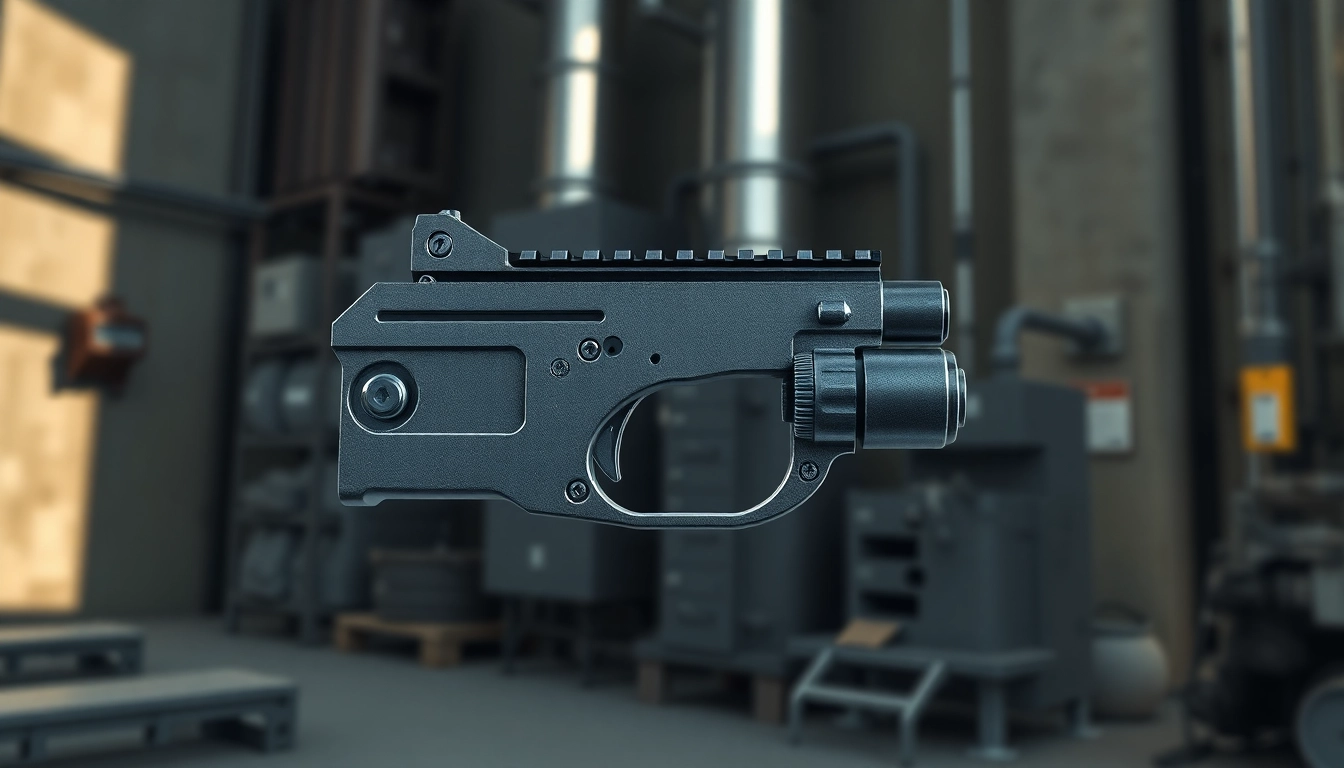
What is a Forced Reset Trigger?
Definition and Functionality
A Forced reset trigger is a specialized firearm trigger mechanism that automatically resets after firing a shot. Unlike traditional triggers, which require the shooter to release the trigger fully before resetting, a forced reset trigger enables the user to maintain continuous pressure while the trigger returns to a position ready for the next shot. This mechanism allows for a quicker follow-up on shots, ideally suited for rapid-fire scenarios such as competitive shooting or tactical applications.
How It Differs from Standard Triggers
The primary difference between a forced reset trigger and a standard trigger lies in the reset process. In a standard trigger system, once a shot is fired, the shooter must fully release the trigger to reset it for another firing cycle. In contrast, a forced reset trigger uses mechanical engineering to automatically reset as soon as the shot is discharged. This adaptation leads to a significant reduction in the time between shots, allowing for rapid shooting without the need for complete trigger disengagement.
Common Applications
Forced reset triggers are primarily used in competitive shooting sports, where speed and accuracy can mean the difference between winning and losing. They're also utilized in various tactical operations by law enforcement and military personnel who require optimal performance under pressure. Additionally, enthusiasts and collectors often install these triggers to enhance their firearm's functionality.
Benefits of Using a Forced Reset Trigger
Increased Rate of Fire
One of the most prominent benefits of a forced reset trigger is the increased rate of fire. This mechanism allows shooters to dispatch rounds at a significantly higher speed than with traditional triggers. This attribute becomes crucial in competitive settings or self-defense scenarios, where every fraction of a second matters. As a direct result, users can engage multiple targets more effectively and efficiently, providing a tactical advantage.
Enhanced Accuracy
The continuous engagement aspect of a forced reset trigger can lead to improved accuracy. With standard triggers, the time taken to release and pull the trigger again can introduce inconsistencies in shooting mechanics. In contrast, the forced reset design encourages a more stable shooting platform, allowing the user to maintain their sight picture and control more effectively, leading to better shot placement.
Improved User Experience
Another advantage of forced reset triggers is the overall improvement in the shooting experience. Many shooters report that the smoother operation of this trigger type makes for less fatigue during long shooting sessions. The design minimizes the mental load of trigger management during rapid fire, allowing the shooter to focus on target acquisition and engagement rather than the mechanical nuances of their firearm.
Installation Process for Forced Reset Triggers
Necessary Tools and Equipment
Installing a forced reset trigger requires specific tools to ensure a proper setup. Common tools include a punch set, screwdrivers, a lubricant, and a cleaning cloth to manage any debris. Ensure you have the correct trigger replacement kit specific to your firearm model, as compatibility is essential.
Step-by-Step Installation Guide
- Ensure Safety: Before beginning the installation, make sure the firearm is unloaded and safe. Remove any ammunition from the vicinity.
- Remove the Receiver: Using appropriate screwdrivers, carefully disassemble your firearm to access the trigger components.
- Detach the Old Trigger: Use a punch tool to push out the pins holding the standard trigger in place, then remove it gently.
- Install the Forced Reset Trigger: Align the new trigger into position and secure it with the same pins you removed earlier.
- Reassemble the Firearm: Carefully reassemble all parts, ensuring everything is put back correctly and securely.
- Test Functionality: After reassembly, conduct a comprehensive function check to ensure the trigger operates correctly before using live ammunition.
Safety Considerations
Safety should always be the foremost priority when installing firearm components. Ensure you are familiar with your firearm's manual and follow manufacturer instructions closely. Double-check compatibility issues before purchasing replacement parts. Additionally, practice basic gun safety practices throughout the installation process, such as keeping your firearm pointed in a safe direction and keeping your finger off the trigger.
Performance Metrics and User Feedback
Comparative Analysis with Other Triggers
When evaluating forced reset triggers against standard triggers or bump fire mechanisms, user performance metrics often show a marked improvement in speed and consistency. Many shooters conducting testing report that forced reset triggers allow for quicker target acquisition and a more stable shooting pattern. Comparative studies have also indicated lower average times in speed shooting events for users with forced reset triggers in their firearms, affirming their effectiveness in competitive environments.
Real User Testimonials
Many users of forced reset triggers have highlighted the quality of shooting experience, with customers expressing satisfaction over reload times, accuracy, and overall shooting enjoyment. Testimonials often include comments about how these triggers have transformed their shooting technique, leading to improved results in both practice and competition.
Common Issues and Solutions
While forced reset triggers can enhance performance, they are not without potential issues. Some users may experience malfunctions during the initial installation. Common solutions include ensuring all components are compatible and verifying that they are installed correctly. Regular maintenance and cleaning can also prevent operational issues that could hamper performance.
Frequently Asked Questions about Forced Reset Triggers
What is the main advantage of a forced reset trigger?
The main advantage of a forced reset trigger is its ability to increase the rate of fire, allowing quicker follow-up shots while maintaining accuracy and efficiency in shooting.
Can I install a forced reset trigger myself?
Yes, many users can install a forced reset trigger themselves, provided they have the necessary tools and follow safety protocols along with manufacturer instructions.
Are forced reset triggers legal in my state?
Legalities surrounding forced reset triggers vary by state. It’s crucial to check local laws and regulations before purchasing or installing one on your firearm.
How does a forced reset trigger affect accuracy?
Forced reset triggers can enhance accuracy by promoting a stable shooting platform, enabling shooters to maintain better control for more consistent shot placement.
What types of firearms can utilize a forced reset trigger?
Forced reset triggers can be installed on various firearms, primarily semi-automatic handguns and rifles. Always ensure compatibility with the specific firearm model.