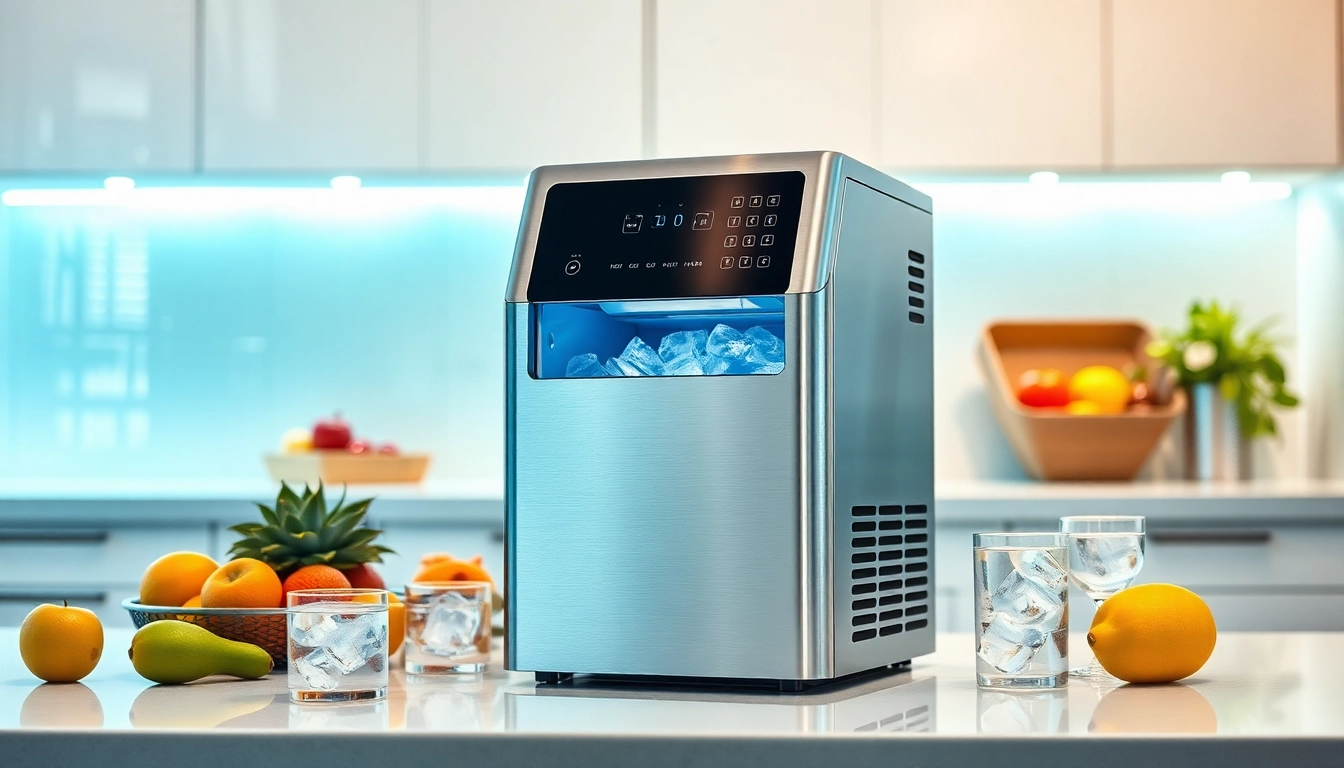
Understanding Ice Maker Options
As entertainment enthusiasts and home chefs alike understand, ice is crucial in achieving the perfect beverage experience. Whether you're hosting a summer soirée or simply need ice to keep your drinks cold, an ice maker can be an invaluable addition to your home. In this comprehensive guide, we will explore various types of ice makers, the key features to consider when selecting one, and the advantages of owning such a device.
Types of Ice Makers
Ice makers come in several types, each catering to different needs. Understanding these variations will empower you to make the right choice.
- Countertop Ice Makers: These portable devices are ideal for home use, providing a simple solution for quick ice production. Most can make ice within minutes and are perfect for small gatherings.
- Built-in Ice Makers: Installed within your kitchen cabinetry, built-in ice makers offer a seamless appearance and typically connect directly to your water supply.
- Commercial Ice Makers: Designed for high-volume ice production, these models are commonly found in restaurants or bars. They can produce large quantities of ice quickly and often have enhanced durability.
- Nugget Ice Makers: These machines create chewable, soft ice nuggets that are particularly popular in cocktails and soft drinks, enhancing both flavor and texture.
- Flake Ice Makers: Frequently used for food preservation, these machines create flaked ice ideal for seafood displays and other perishable items.
Key Features to Consider
When evaluating ice makers, certain features can greatly enhance your experience:
- Production Capacity: Determine how much ice you need—most home models can produce anywhere from 20 to 30 pounds of ice per day.
- Ice Types: Consider whether you want cubes, nuggets, or flakes. Different types serve different purposes, so think about how you'll use your ice.
- Size and Design: Ensure the ice maker fits your available space while considering its design to match your kitchen decor.
- Noise Level: Some models operate quietly, while others may be more disruptive. Look for user reviews regarding noise.
- Energy Efficiency: Opt for energy-efficient models that can reduce utility bills while minimizing environmental impact.
Potential Advantages of Using an Ice Maker
Investing in an ice maker can provide numerous benefits:
- Convenience: Always have ice on hand for drinks, parties, and other occasions without the need to regularly refill trays.
- Time-Saving: Ice makers produce ice quickly, enabling you to focus on enjoying your time with family and friends.
- Quality Control: You can filter water to ensure purer ice, enhancing taste and preventing any impurities found in store-bought ice.
- Cost-Effectiveness: While the initial investment might be steep, it could save you money over time by reducing trips to buy ice.
- Custom Production: Certain models allow you to control the size and type of ice, letting you perfect your drink recipes.
How to Select the Right Ice Maker for Your Needs
Selecting the right ice maker requires a thorough assessment of your lifestyle and needs. Follow these steps to make an informed decision.
Assessing Your Ice Production Requirements
The first step in choosing your ice maker is determining how much ice you actually need. Consider the following:
- Household Size: Larger families may require more ice than single individuals.
- Frequency of Use: If you frequently host parties or entertain, a higher capacity model would serve you better.
- Type of Events: Consider if you're primarily using it for casual get-togethers or more significant celebrations.
Understanding Size and Capacity Considerations
Ice makers come in a variety of sizes, and selecting the appropriate one depends on your available space and needs:
- Countertop Models: Generally compact, but requires enough surface space for use and easy refilling.
- Built-in Units: These need dedicated spaces in cabinetry, so plan for adequate room during installation.
- Storage Bins: Review the storage capability; models with larger bins can keep ice ready longer and reduce the need for frequent production.
Evaluating Energy Efficiency Ratings
Energy efficiency is an important consideration for any appliance. Look for units with certifications that indicate they meet energy-saving standards. Efficient models may incur higher upfront costs but will save you money over time. Additionally, they have a lesser impact on the environment, making them a responsible choice for eco-conscious consumers.
Installation and Maintenance Tips for Ice Makers
Installing and maintaining your ice maker properly can ensure longevity and efficiency. Here’s a comprehensive overview.
Installation Process Overview
Installation requirements vary by type:
- Countertop Ice Makers: Simply plug it in, add water, and it's ready to go. However, ensure it's placed on a stable, flat surface.
- Built-in Ice Makers: Usually require plumbing connection. Follow the manufacturer’s manual or hire a professional for installation.
Before installing, check the area for accessibility to water sources and electrical outlets. This smart planning minimizes hassle in sub-sequent use.
Regular Maintenance Practices
To keep your ice maker running smoothly, adhere to these maintenance tips:
- Cleaning: Regularly clean the water reservoir and ice bin according to the manual for optimal hygiene.
- Descaling: Use descaling solutions to eliminate mineral build-up if you live in an area with hard water.
- Filter Changes: Replace water filters according to the manufacturer’s recommendations to ensure the quality of ice.
Identifying Common Issues and Solutions
Various issues may arise during use. Here are common problems and ways to resolve them:
- No Ice Production: Check water line connections and ensure the unit is plugged in.
- Slow Production: Assess the water supply and review the manufacturer’s guidelines for use.
- Ice Tasting Weird: Ensure you regularly clean and replace filters to maintain quality.
Ice Maker Usage: Best Practices
Maximize your ice maker’s potential with these best practices, ensuring your drinks taste refreshing and delightful.
Tips for Optimal Ice Production
Here are strategies for maximizing the performance of your ice maker:
- Keep It Full: Fill the water reservoir before running the machine for the best production results.
- Stay Aware of Temperature: A cooler surrounding temperature can help enhance ice-making efficiency.
- Regular Use: Keep the unit active to prevent the ice from getting stale.
Enhancing Flavor and Quality of Ice
To produce the best-tasting ice, consider these practices:
- Use Filtered Water: Quality water leads to clearer, better-tasting ice.
- Frequent Cleaning: This prevents build-up and maintains hygiene, leading to fresh ice.
- Avoid Storing Too Long: Ideally, use freshly made ice within a few days for optimal flavor.
Using Ice Maker in Social Gatherings
Your ice maker can elevate gatherings by ensuring that refreshments remain chilled:
- Pre-Event Production: Prepare ice ahead of time to ensure that you have ample supply for guests.
- Offer Variety: Use different ice types according to the beverage being served to enhance the experience.
- Set Up Stations: Create beverage stations that allow guests to serve themselves, making the experience more enjoyable.
FAQs about Ice Makers
Is an ice maker suitable for small kitchens?
Yes, many compact models fit well in smaller kitchens, providing convenience without taking up much space.
Can I use an ice maker for cocktails?
Absolutely! Ice makers efficiently produce the ice needed for cocktails, enhancing your drink experience.
Do ice makers need constant maintenance?
Regular cleaning is advisable to prevent mineral build-up, but they generally require minimal maintenance.
How much electricity does an ice maker consume?
Energy consumption varies, but many modern ice makers are designed to be energy-efficient, minimizing costs.
Are there portable ice makers available?
Yes, numerous portable ice makers are on the market, perfect for picnics, camping, and events.