Understanding Electric Chain Hoist Cranes
Electric chain hoist cranes are essential tools in modern industrial environments, delivering unparalleled efficiency and safety when lifting heavy loads. These cranes combine the strength of traditional hoisting systems with the convenience of electric operation, making them suitable for a wide range of applications across various sectors. In this comprehensive guide, we will explore the fundamental aspects of electric chain hoists, including their components, functionality, common applications, and more. When exploring options, electric chain hoist crane offers comprehensive insights into choices available for businesses today.
What is an Electric Chain Hoist Crane?
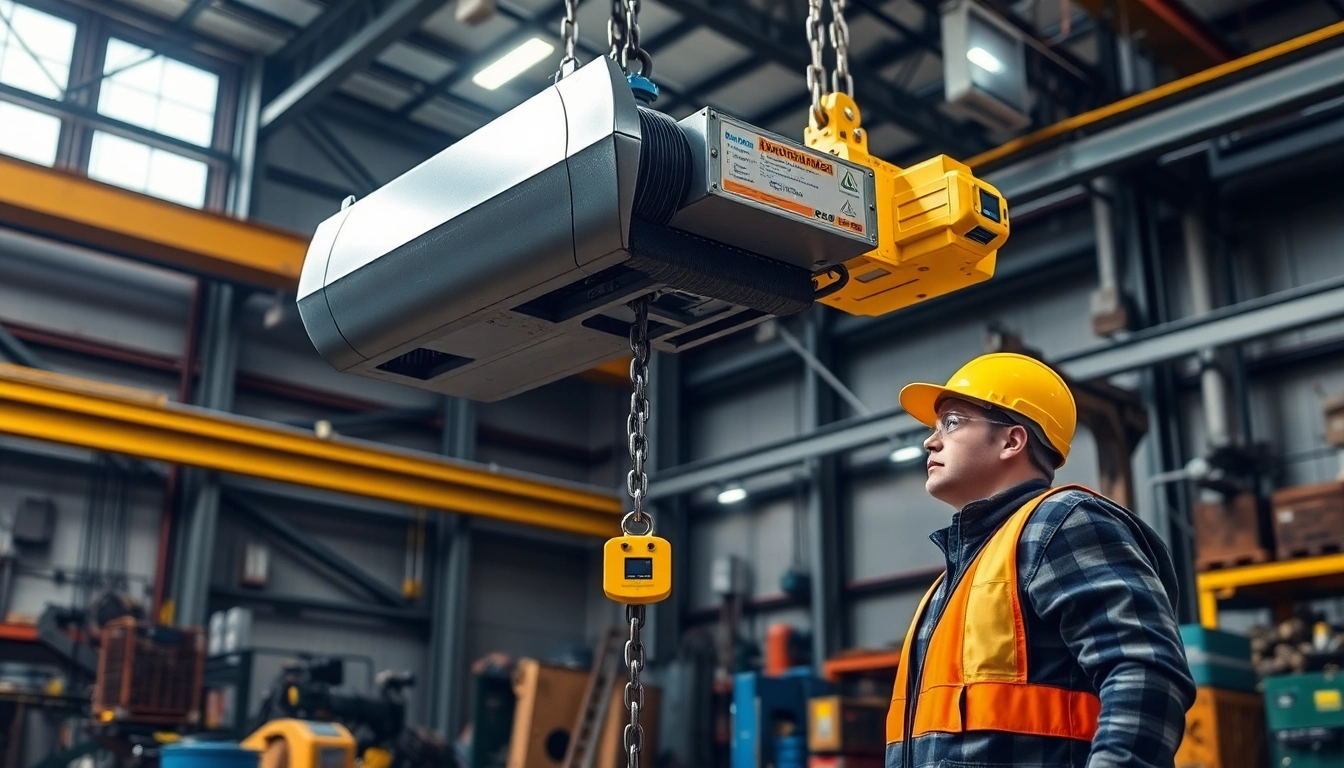
An electric chain hoist crane is a mechanical device that utilizes a motor-driven chain to lift and lower heavy loads. Unlike manual hoists, which rely on human power, electric chain hoists use electricity to operate, allowing for quicker lifting speeds and reducing strain on operators. The design typically features a hook for load attachment, a motor, and a chain management system that ensures smooth operation. These hoists can be mounted on various structures, including cranes, overhead beams, or gantry systems, making them highly versatile.
Key Components and Functionality
Understanding the key components of an electric chain hoist crane is crucial for selecting the right model and ensuring optimal performance. The primary components include:
- Motor: The heart of the hoist, responsible for driving the lifting mechanism.
- Chain: A durable metal chain that lifts the load; it can be single or double reeved, depending on the hoist design.
- Hook: Attached to the chain, it securely holds the load while allowing for easy attachment and detachment.
- Control System: Typically includes a pendant or remote control for ease of operation from a distance.
- Limit Switches: Safety features that prevent over-travel of the load, ensuring the hoist operates within its safe limits.
The functionality of electric chain hoists involves the use of electric current to power the motor, which in turn raises or lowers the load via the chain. The precise control over speed and positioning allows for accurate handling of heavy items, making them invaluable in manufacturing and construction settings.
Common Applications in Industry
Electric chain hoist cranes are employed in various industries due to their versatility and efficiency. Common applications include:
- Manufacturing: Used for moving materials and products along assembly lines.
- Construction: Ideal for lifting building materials to elevated areas.
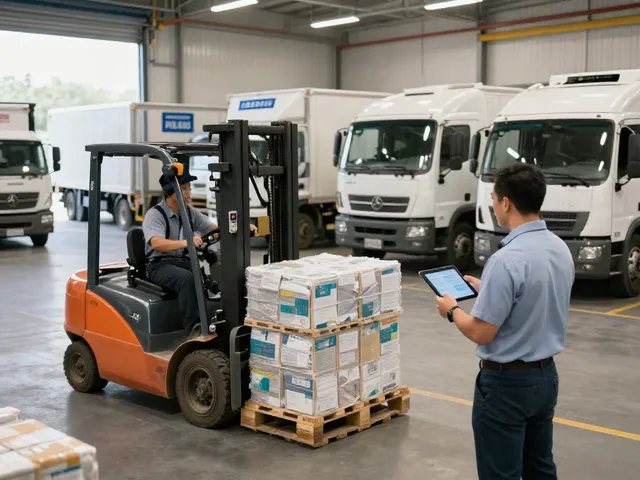
- Warehousing: Helpful in loading and unloading heavy goods from trucks.
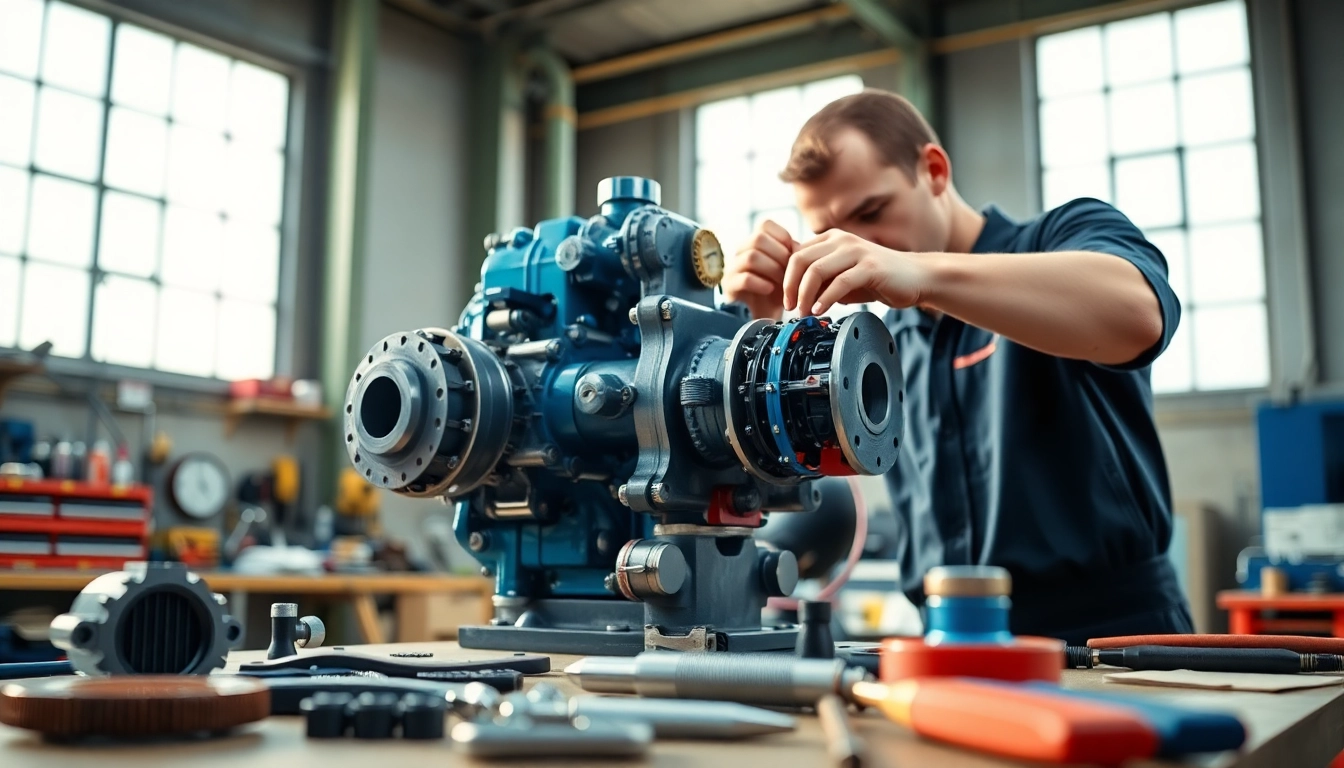
- Maintenance: Often used to lift machinery for repairs and inspections.
- Entertainment: Utilized for set transportation in theaters and concert venues.
Benefits of Using Electric Chain Hoist Cranes
The adoption of electric chain hoist cranes in industrial operations offers numerous benefits that contribute to enhanced productivity and safety. Here are some of the most significant advantages:
Enhanced Safety Features and Compliance
One of the most critical aspects of using electric chain hoists is improved safety. Modern electric chain hoist cranes incorporate advanced safety features such as overload protection, emergency stop buttons, and automatic limit switches. These features ensure compliance with safety regulations, reducing the risk of accidents and injuries in the workplace.
Increased Efficiency in Material Handling
Electric chain hoists significantly reduce the time and effort required for lifting heavy loads compared to manual hoisting systems. The ability to lift and position loads quickly allows companies to streamline their operations, leading to increased efficiency and higher output. In addition, the precise control offered by electric systems minimizes potential damage to goods, further enhancing operational effectiveness.
Cost-Effective Solutions for Heavy Lifting
While the initial investment in an electric chain hoist crane may be higher than manual options, the long-term cost savings are substantial. Reduced labor costs, lower accident rates, and minimized machinery damage contribute to a favorable return on investment. Additionally, many electric chain hoists are designed for durability, offering longevity that enhances their cost-effectiveness.
Choosing the Right Electric Chain Hoist Crane
Selecting the appropriate electric chain hoist crane for your specific needs requires careful consideration of several factors. Understanding these factors can help you make an informed decision that aligns with your operational demands.
Factors to Consider When Selecting a Hoist
When choosing an electric chain hoist, consider the following factors:
- Load Capacity: Determine the maximum weight your hoist needs to lift. Electric chain hoists come in various capacities, with options ranging from ¼ ton to several tons.
- Lift Height: Assess the vertical distance required for lifting. Ensure the hoist can accommodate your operational height.
- Power Supply: Verify compatibility with your facility's electrical system. Some hoists operate on single-phase electricity, while others require three-phase power.
- Speed: Choose a hoist with adjustable speed settings for more precise control over lifting operations.
Capacity Requirements and Load Specifications
Understanding the capacity requirements and load specifications is crucial for safe operation. Always assess the weight of the loads you'll be handling and ensure the hoist you choose has a rated capacity that exceeds your maximum load. Additionally, consider the nature of the loads—unbalanced loads may require specific features or configurations to maintain safety and efficiency.
Integrating Hoists into Existing Systems
When integrating electric hoists into existing operation systems, compatibility is key. Consider how the hoist will work with your current infrastructure, including tracks or overhead beams. It may also be beneficial to consult with a professional to ensure proper installation and integration into your workflow.
Best Practices for Operating Electric Chain Hoist Cranes
To maximize the benefits of electric chain hoist cranes and ensure safe operation, adhering to best practices is essential. Here are several key recommendations:
Employee Training and Safety Protocols
Implement a thorough training program for all employees who will operate the hoist. Safety training should cover proper operating procedures, emergency responses, and hazard identification. Regular refresher courses can help maintain safety awareness and operational efficiency.
Regular Maintenance and Inspection Procedures
Routine maintenance and inspections help identify potential issues before they lead to failures or accidents. Develop a maintenance schedule that includes checking the hoist's mechanical and electrical components, lubricating moving parts, and testing safety features. Keeping detailed records of maintenance activities can also ensure compliance with safety standards.
Identifying and Mitigating Common Hazards
Awareness of potential hazards is crucial for safe operation. Common hazards associated with hoisting operations include:
- Overloading the hoist
- Improper securing of loads
- Failure to follow safety protocols
- Environmental factors, such as slippery surfaces or overhead obstacles
Implementing preventive measures, such as using load indicators and establishing clear communication protocols, can help mitigate these risks.
Future Trends in Electric Chain Hoist Crane Technology
As technology continues to advance, electric chain hoist cranes are evolving to meet the demands of modern industries. Here are some anticipated trends to watch for:
Innovations on the Horizon for 2025
Expect to see electric chain hoist models featuring improved energy efficiency and performance capabilities. Innovations such as variable frequency drives (VFDs) will enhance control and reduce energy consumption, contributing to more sustainable practices in industrial operations.
Impact of Automation and Smart Technologies
The integration of smart technologies into hoisting systems is on the rise. IoT-enabled hoists will allow operators to monitor performance in real time, providing valuable data for predictive maintenance and operational efficiency. Automated hoisting solutions can also streamline workflows and reduce dependence on manual operation.
Sustainability Practices in Crane Operations
As industries move toward sustainability, electric chain hoist cranes are expected to adopt eco-friendly materials and production methods. Utilizing renewable energy sources and minimizing emissions in manufacturing will become crucial as environmental regulations continue to tighten.