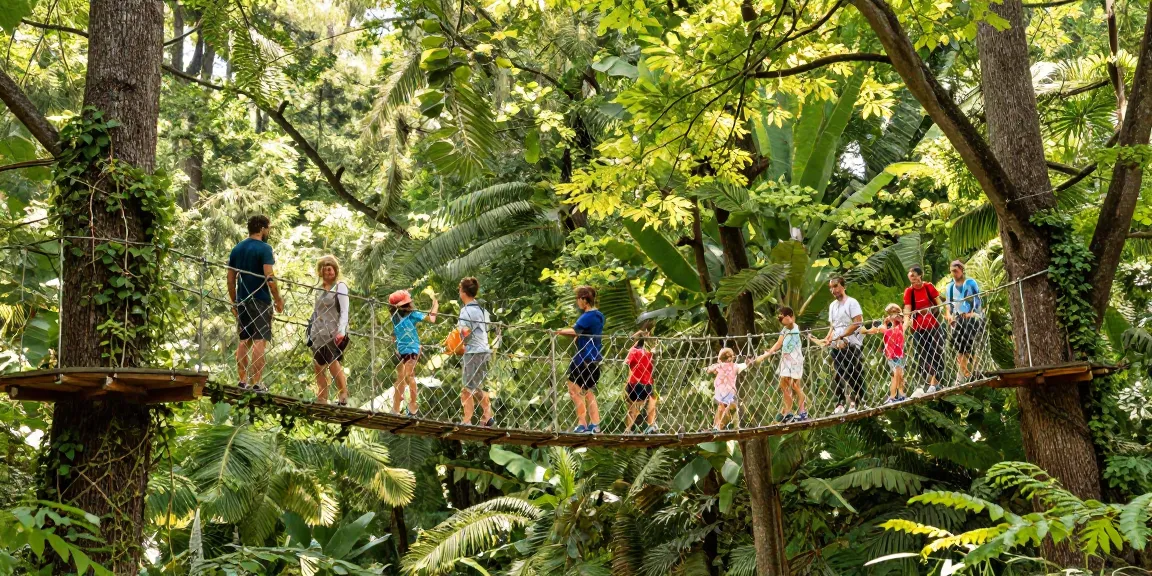
Understanding the Basics of Rope Bridge Design
Rope bridge design is a fascinating blend of engineering precision and creative architecture that allows for the construction of durable and aesthetically pleasing crossings over obstacles. Whether you're looking to create a quaint passage between trees in your garden or a robust structure spanning a river, understanding the core principles behind rope bridge design is essential. The ability to merge safety, functionality, and design demands a comprehensive approach that includes material selection, understanding environmental factors, and considering user experience. When exploring options, Rope Bridge design provides comprehensive insights into the best practices and innovative solutions available in the field.
What is Rope Bridge Design?
Rope bridge design involves creating structures that are suspended by ropes or cables, allowing for flexibility and lightweight construction. These designs are often used in outdoor recreation, connecting treehouses, or traversing challenging landscapes where traditional bridge construction may be impractical. The simplicity and versatility of rope bridges make them popular among DIY enthusiasts and professional builders alike.
Key Components of a Rope Bridge
A well-designed rope bridge comprises several critical components that contribute to its overall stability and safety:
- Cables or Ropes: The primary load-bearing elements, often made of high-strength synthetic fibres or steel.
- Anchor Points: Secure attachments that hold the bridge in place, typically embedded in sturdy structures like trees or rock formations.
- Decking: The surface on which users walk, often made from planks or wire mesh for added safety.
- Support Structures: Additional elements like posts or tensioners that provide stability and reduce sway.
Types of Rope Bridges
Rope bridges come in various designs, each suited to different needs and environments. Some of the most common types include:
- Suspension Bridges: These bridges use vertical cables to support the deck, allowing for long spans without the need for numerous supports.
- Log Rope Bridges: A simpler form that uses logs for decking, often found in rural areas or for playground settings.
- Fixed-Beam Rope Bridges: These incorporate solid beams that provide support, combining the benefits of both rigging and more substantial structures.
Common Mistakes in Rope Bridge Design
Even experienced builders can encounter pitfalls in rope bridge design that may compromise safety or functionality. Here are some common mistakes and how to avoid them:
Poor Material Selection
The choice of materials is critical in ensuring the longevity and durability of a rope bridge. Using substandard ropes or cables can lead to catastrophic failures. Always opt for high-quality, weather-resistant materials that are appropriate for the intended load and environmental conditions.
Neglecting Safety Standards
Safety should always be the top priority. This includes adhering to local regulations, employing proper design principles, and ensuring that all components meet structural safety standards. Regular inspections and maintenance are also essential to uphold safety over time.
Ignoring Environmental Impact
Rope bridges often traverse natural landscapes, which may be sensitive to disruption. It is important to consider the environmental impact of your design. This can include selecting materials that blend with the surroundings and minimizing disturbance to wildlife habitats.
Best Practices for Designing Rope Bridges
To create effective and safe rope bridges, adhere to the following best practices:
Choosing the Right Location
Selecting an appropriate site is critical. Look for locations that offer natural anchor points and ensure that the ground is stable. Avoid areas prone to flooding or erosion which could undermine the bridge's foundation.
Incorporating Structural Integrity
Design with stability in mind. This involves calculating load-bearing capacities and ensuring that the bridge can support the intended number of users and potential dynamic forces such as wind or movement.
Designing for User Experience
A successful rope bridge should be user-friendly, with features such as safe handrails, sufficient width for pedestrian traffic, and non-slip surfaces. Incorporating aesthetic elements can enhance the experience and make the bridge a visually appealing addition to the landscape.
Step-by-Step Guide to Building a Rope Bridge
Building a rope bridge requires careful planning and execution. Here’s a step-by-step guide:
Planning and Permitting
Before construction begins, it's essential to plan the design and obtain any necessary permits. This includes consulting local authorities to ensure compliance with safety regulations and environmental concerns.
Gathering Materials and Tools
Once the planning is complete, gather all materials and tools required for construction. This typically includes ropes or cables, wooden planks for the deck, posts, and various tools such as saws and drills.
Construction Techniques for Stability
During construction, ensure that cables are tensioned properly and all components are securely fastened. Use techniques such as cross-bracing or additional supports to enhance stability and reduce sway during use.
Future Trends in Rope Bridge Design by 2026
As we look towards the future, several trends are shaping the world of rope bridge design:
Innovative Materials and Technology
The advent of new materials, such as composite ropes and high-strength textiles, is set to revolutionise design possibilities. Additionally, the integration of technology, like stress sensors, will enhance safety and maintenance protocols.
Sustainable Design Practices
With a growing focus on sustainability, future designs will utilise eco-friendly materials and practices. This includes minimising waste and optimising designs for longevity to reduce the need for frequent replacements.
Community Engagement in Design
As communities grow increasingly involved in local projects, future rope bridge designs are likely to incorporate feedback from the users. This participatory approach ensures that the structures meet the needs of those who will use them most.
How do I build a rope bridge?
Building a rope bridge involves careful planning, material selection, and construction techniques. Begin with a well-thought-out design and ensure compliance with local safety regulations.
What are the different types of rope bridges?
There are various types of rope bridges, including suspension, log, and fixed-beam bridges, each tailored for specific use cases and environments.
How much does a rope bridge cost?
The cost of a rope bridge varies significantly depending on size, materials used, and complexity of the design. A simple DIY bridge may be built for a few hundred pounds, while professional-grade structures can reach thousands.
What is the simplest bridge design?
A simple rope bridge design often involves minimal components and can be constructed using few materials. The basic form typically includes two parallel ropes strung between two anchor points, with a deck laid over them.
Are rope bridges safe for children?
When designed with safety in mind, rope bridges can be safe for children. Features such as sturdy handrails, non-slip surfaces, and appropriate height limits are crucial in ensuring safety for younger users.